
FUV PRODUCTS · BLOWN-IN INSULATION
Insulation That Puts Unused Cavities to Work
Supafil is a virgin mineral wool that is blown into wall cavities through small access holes, forming a continuous insulating layer without extensive building work. FUV has installed Supafil in Greece since 2013. It is a specialist solution ideally suited to buildings constructed before 1980.
WHY SUPAFIL
Making Intelligent Use of the Building Fabric Already in Place
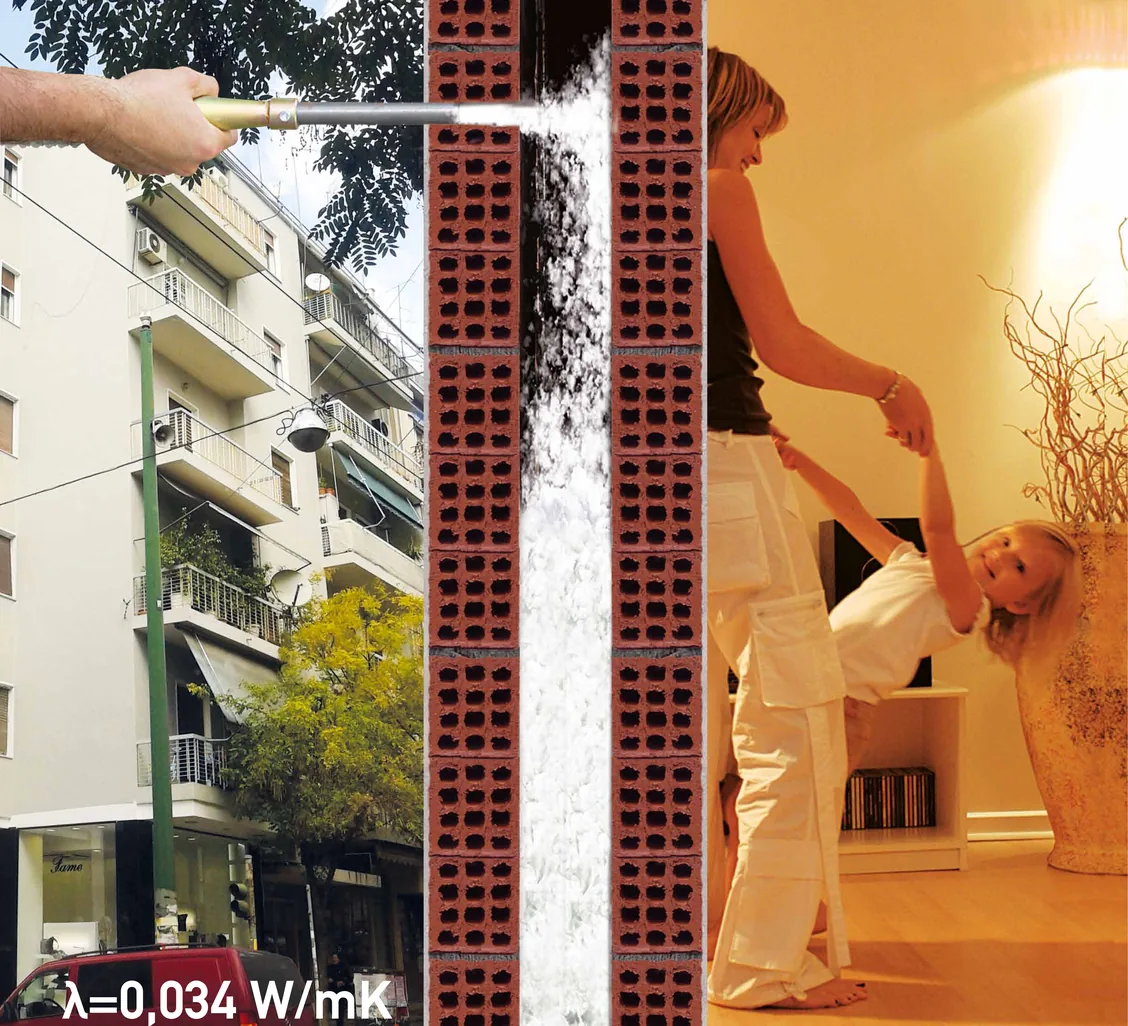
An uninsulated wall becomes a continuous thermal barrier.
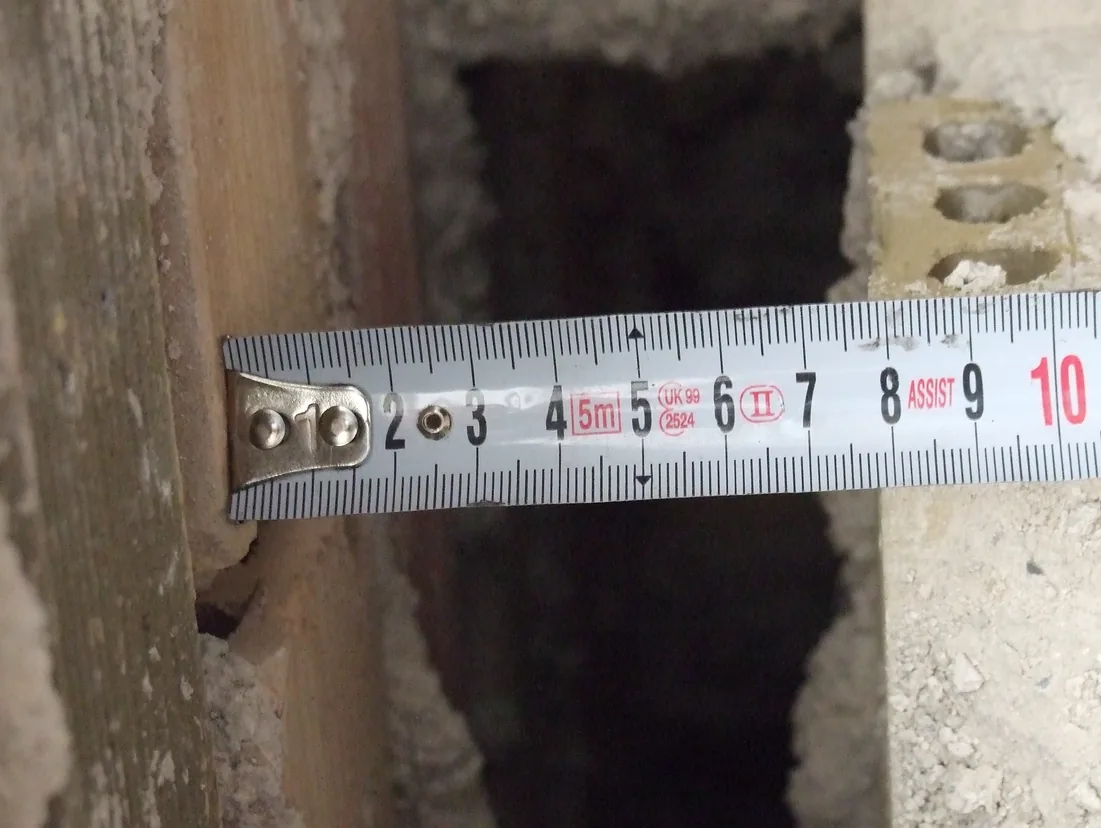
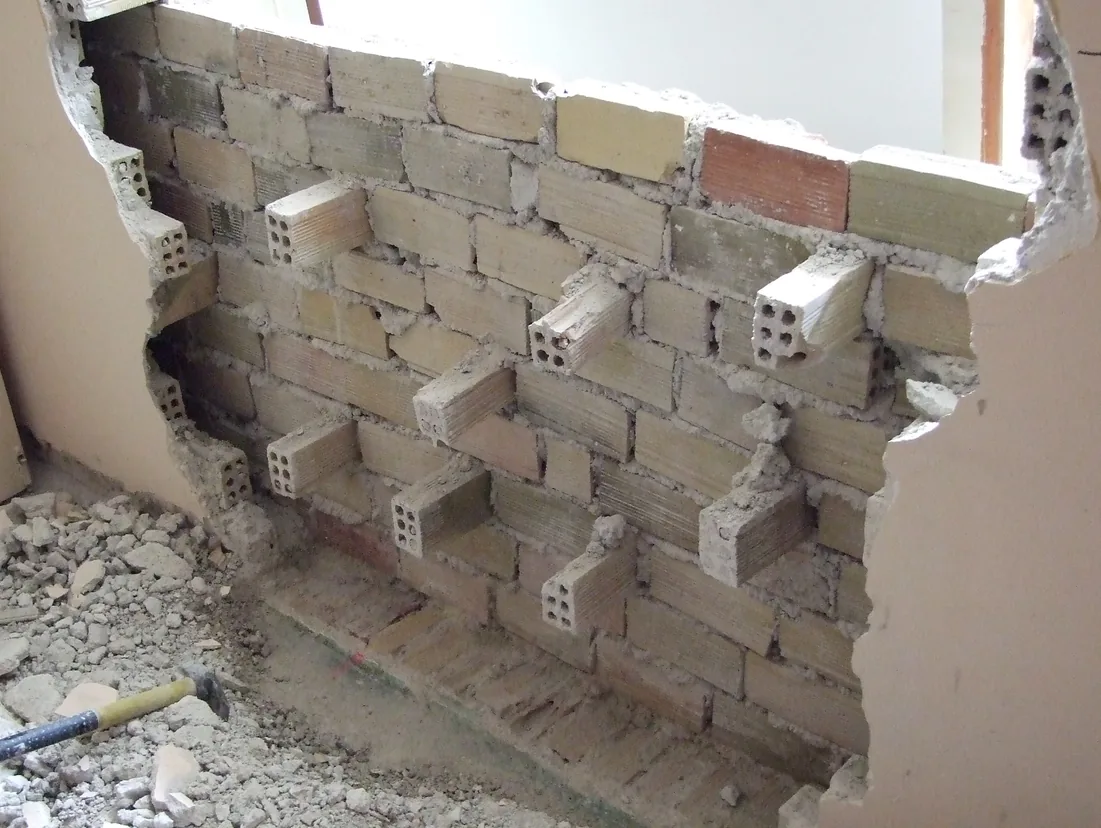
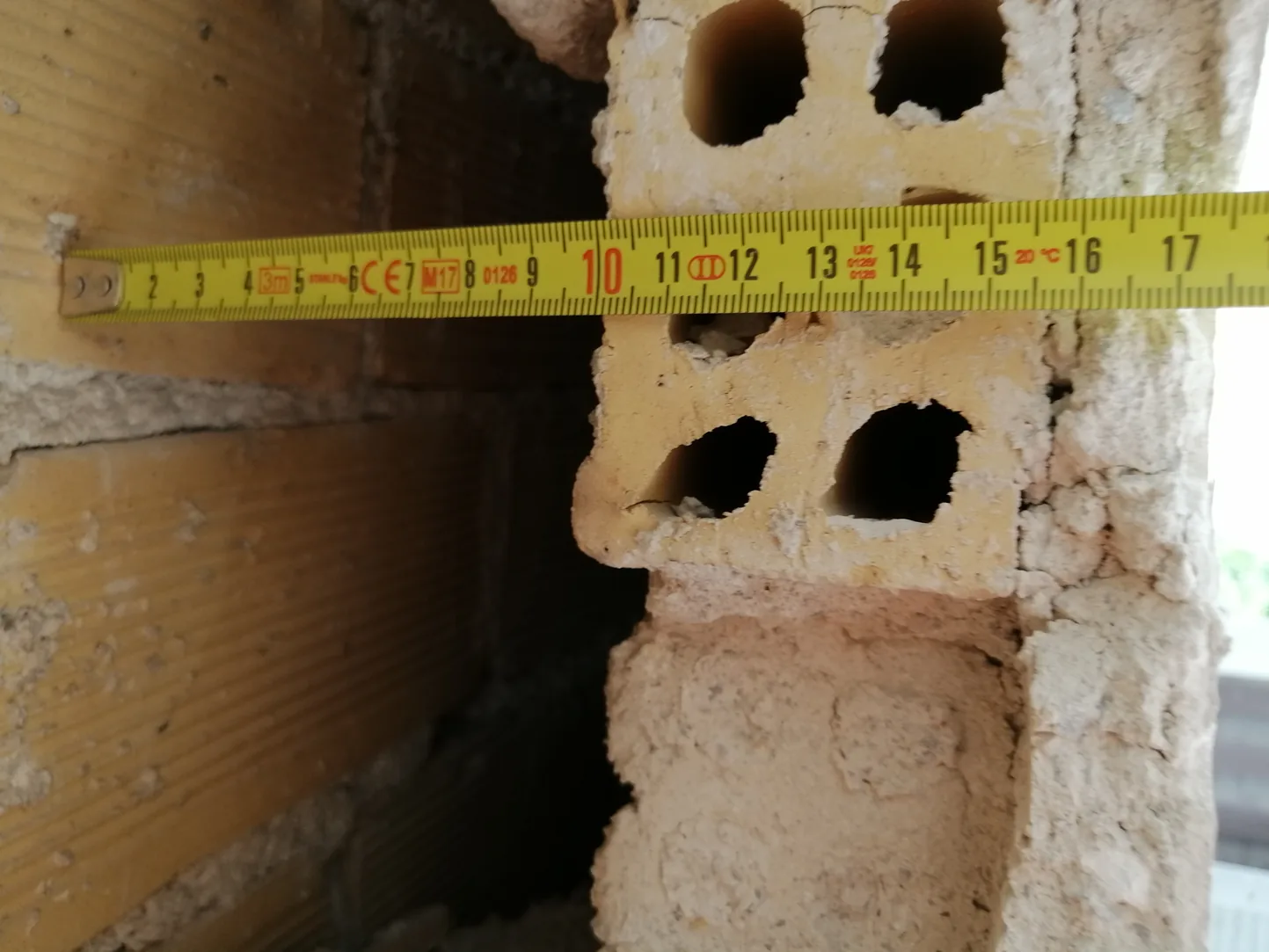
Buildings constructed roughly between 1950 and 1980 often used cavity-wall construction: an inner and an outer leaf separated by a 7–8 cm cavity and connected at intervals with wall ties. This method was abandoned when thermal insulation became compulsory in 1979 (Government Gazette 362/D/4.7.1979).
This legacy of the older building stock allows owners to improve thermal and acoustic insulation, fire performance and vapour permeability by filling the cavity with Supafil virgin mineral wool by Knauf Insulation.
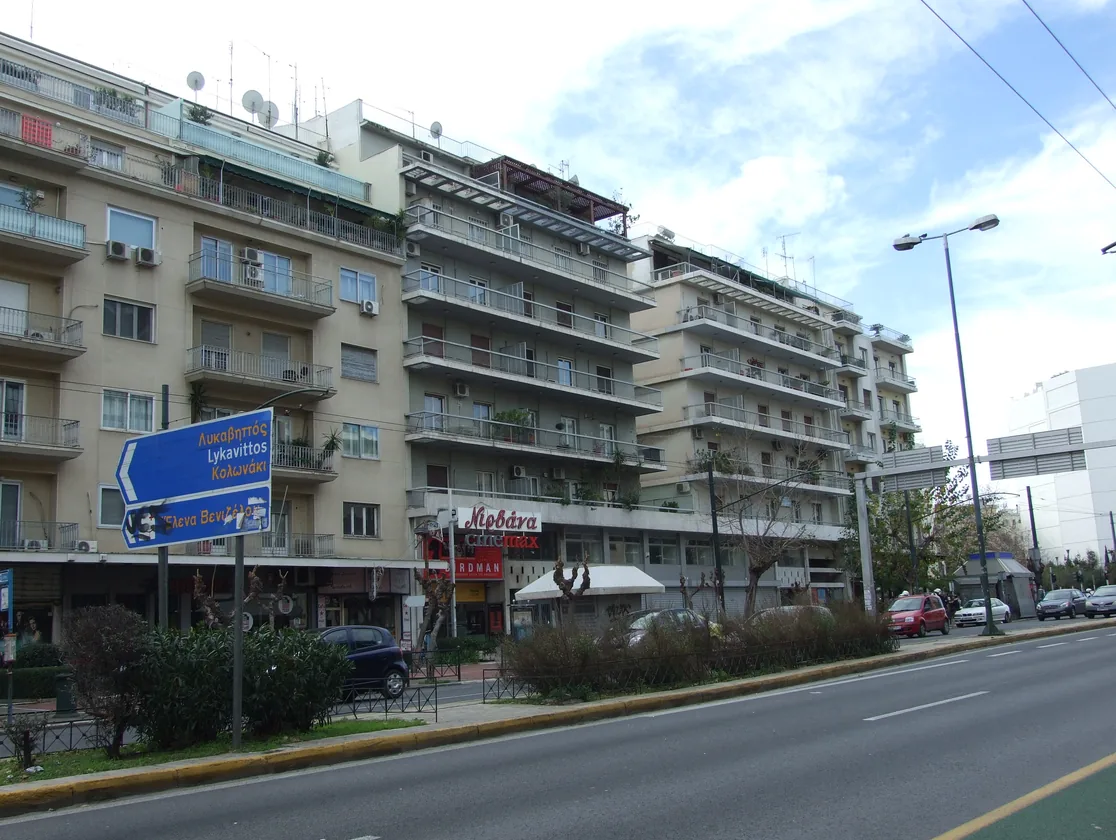
Around 80% of the building stock in Athens—and in many other Greek city centres—was constructed during this period using the same method. This represents a significant opportunity for energy renovation.
The material
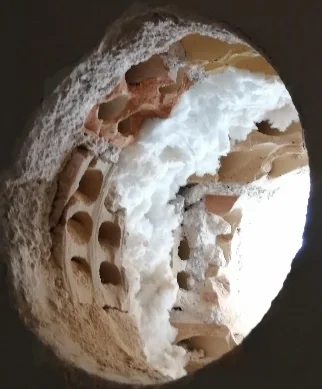
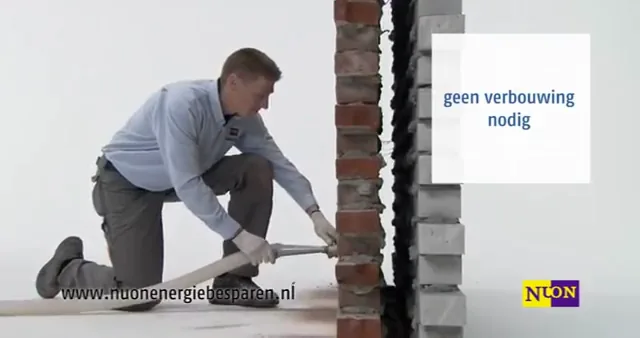
Supafil is a loose, fibrous virgin mineral wool. It is installed pneumatically using specialist equipment, filling the wall cavity and forming a continuous insulating layer without chemical binders.
APPLICATION
The procedure in cavity walls
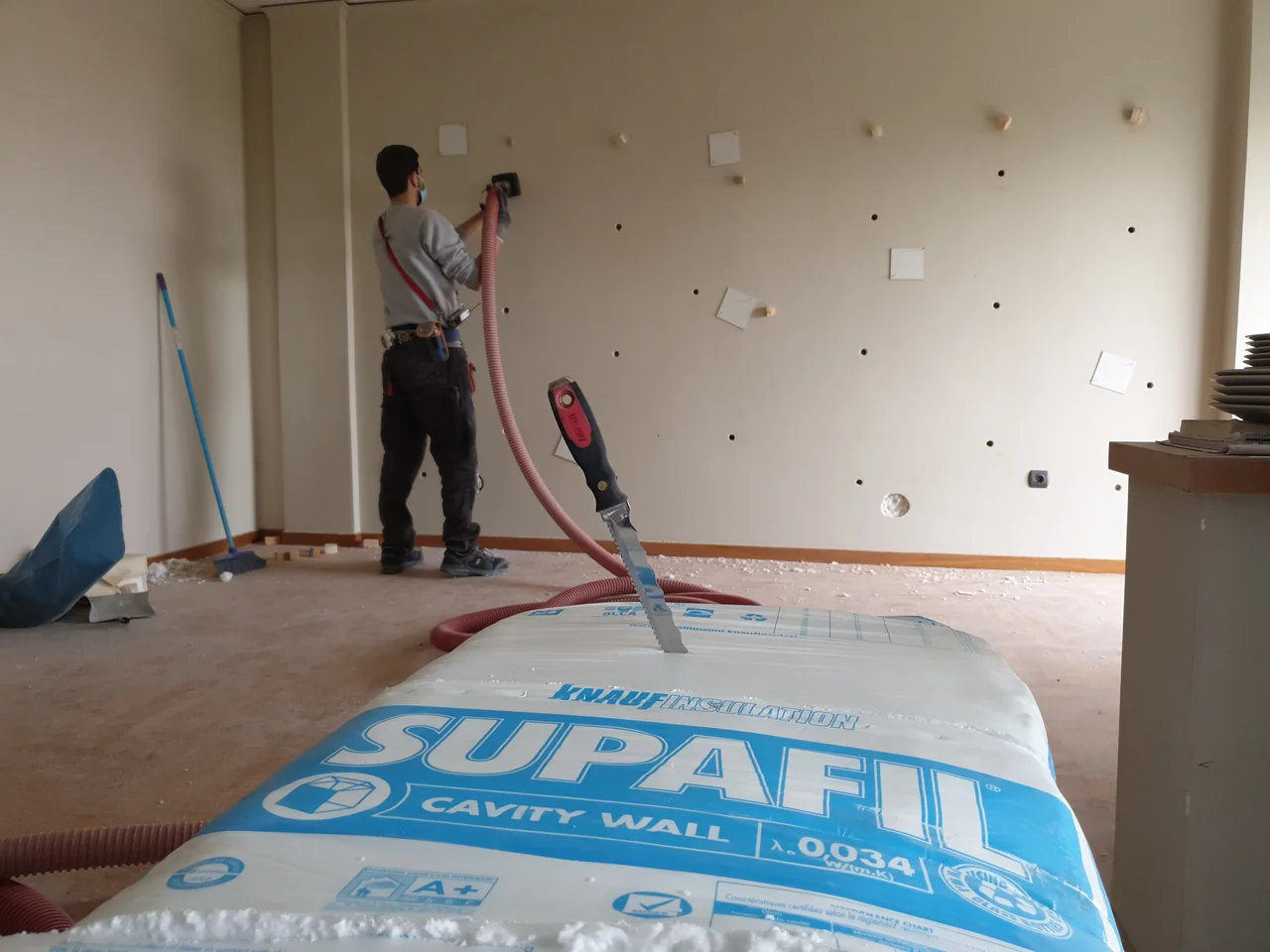
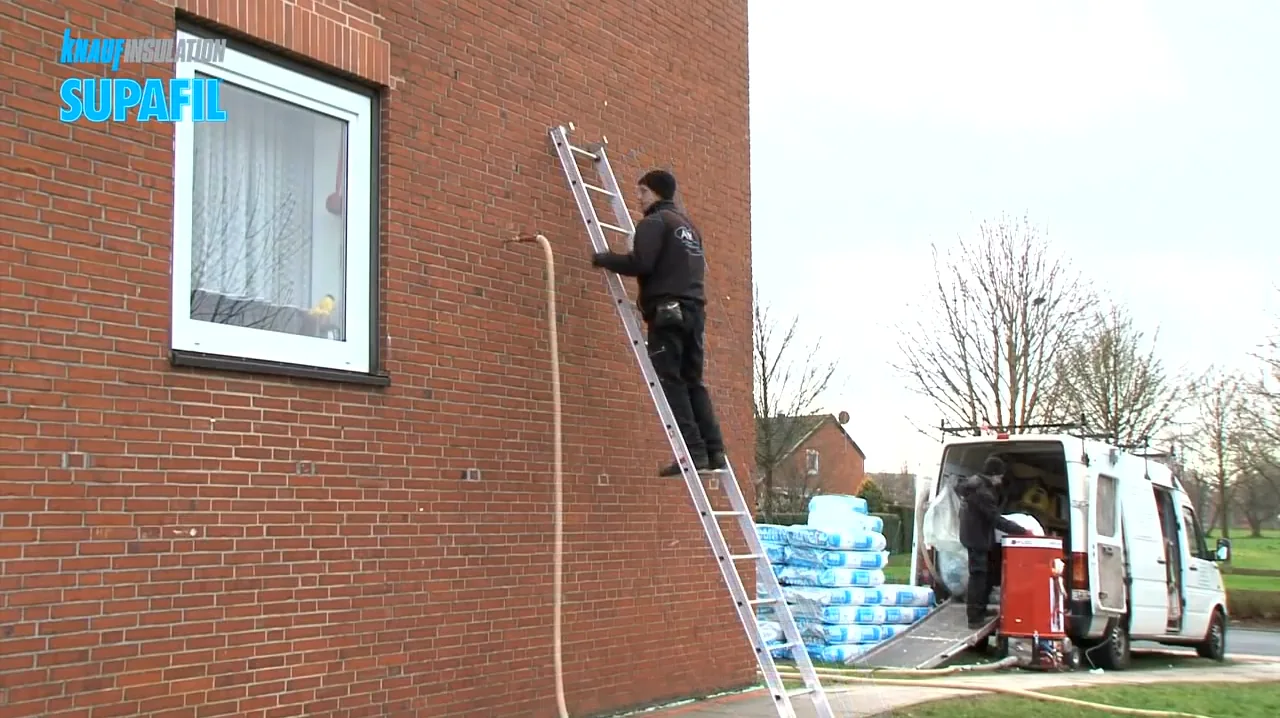
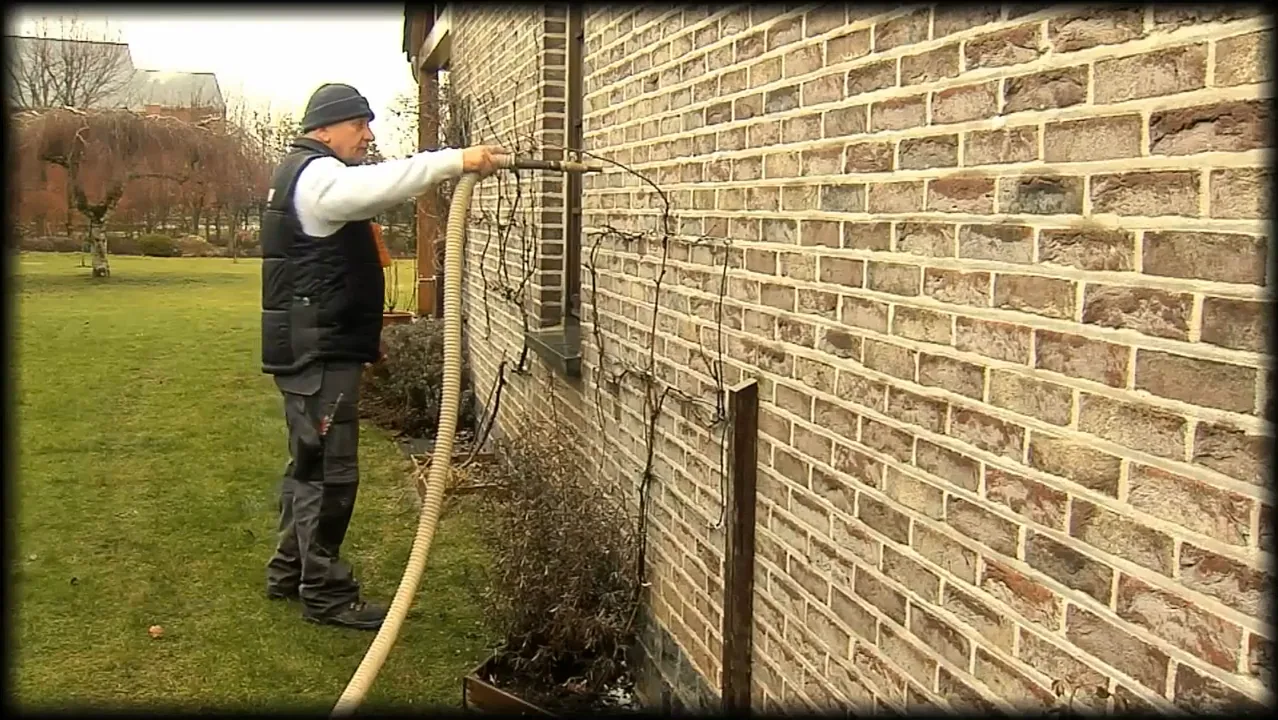
Simple, fast and cost-effective. The work is completed in a few hours, with minimal intervention on the façade or inside the space. It is carried out through small holes, on whichever side of the wall is more convenient — inside or outside — and the holes are made good the same day.
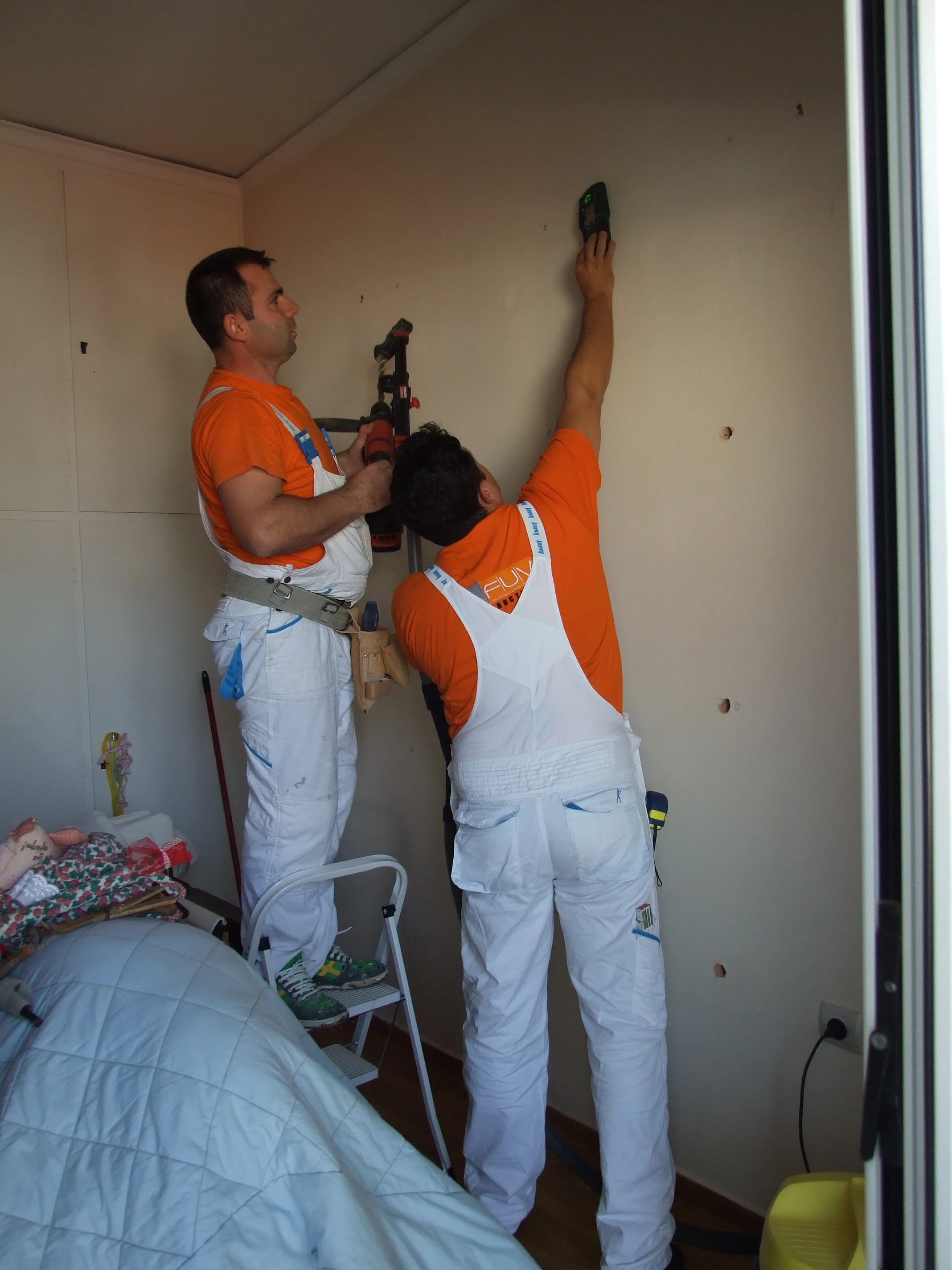
Checking the masonry and drilling small holes
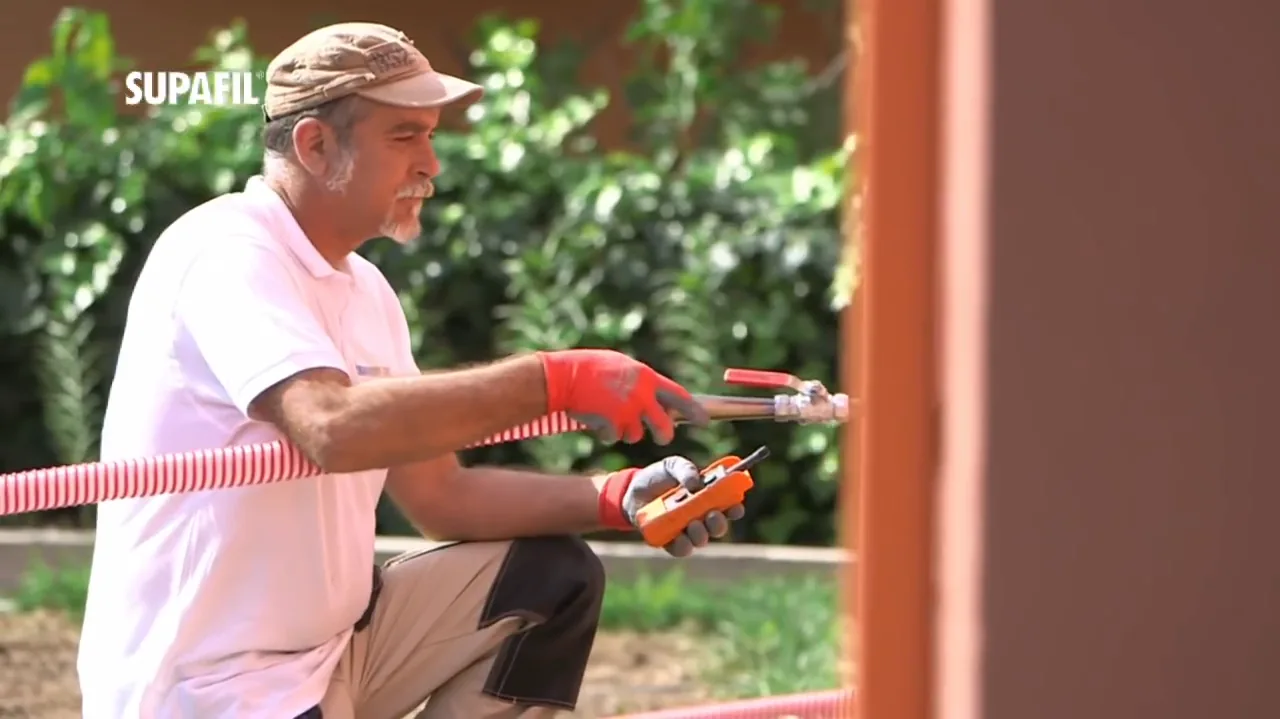
A scanner locates electrical wiring and plumbing before the access holes are drilled at selected points, either internally or externally.
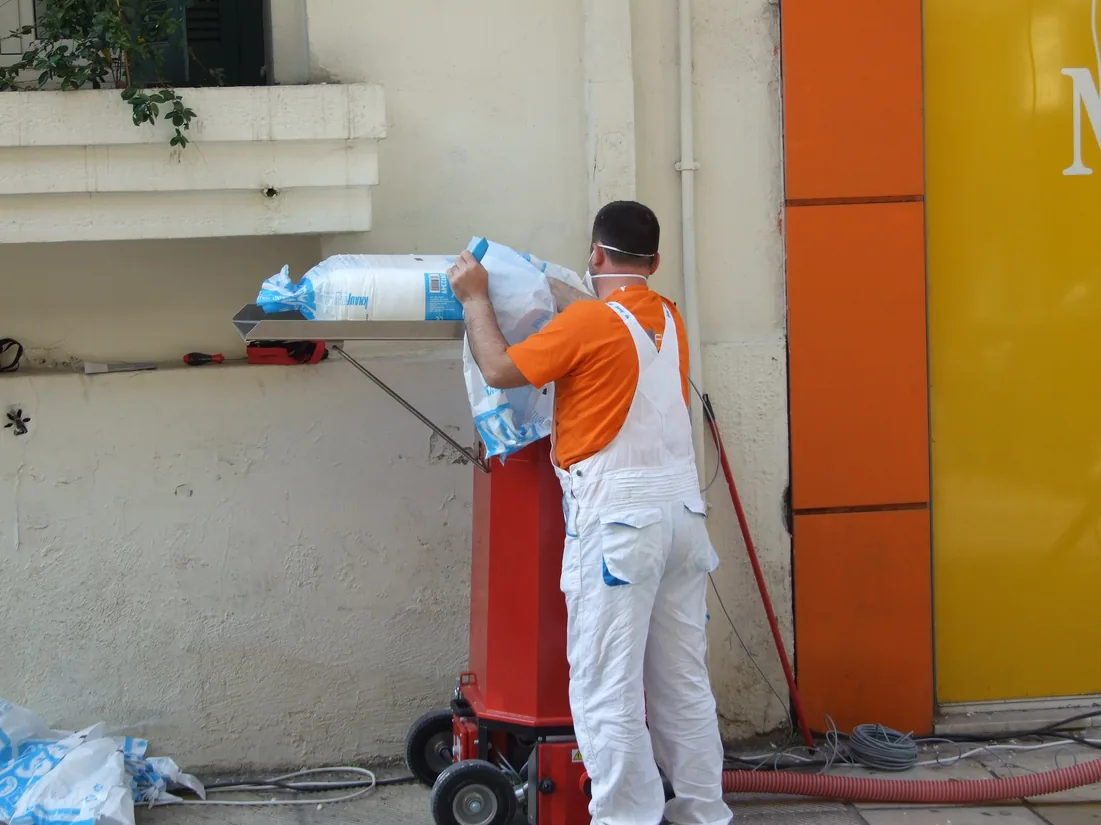
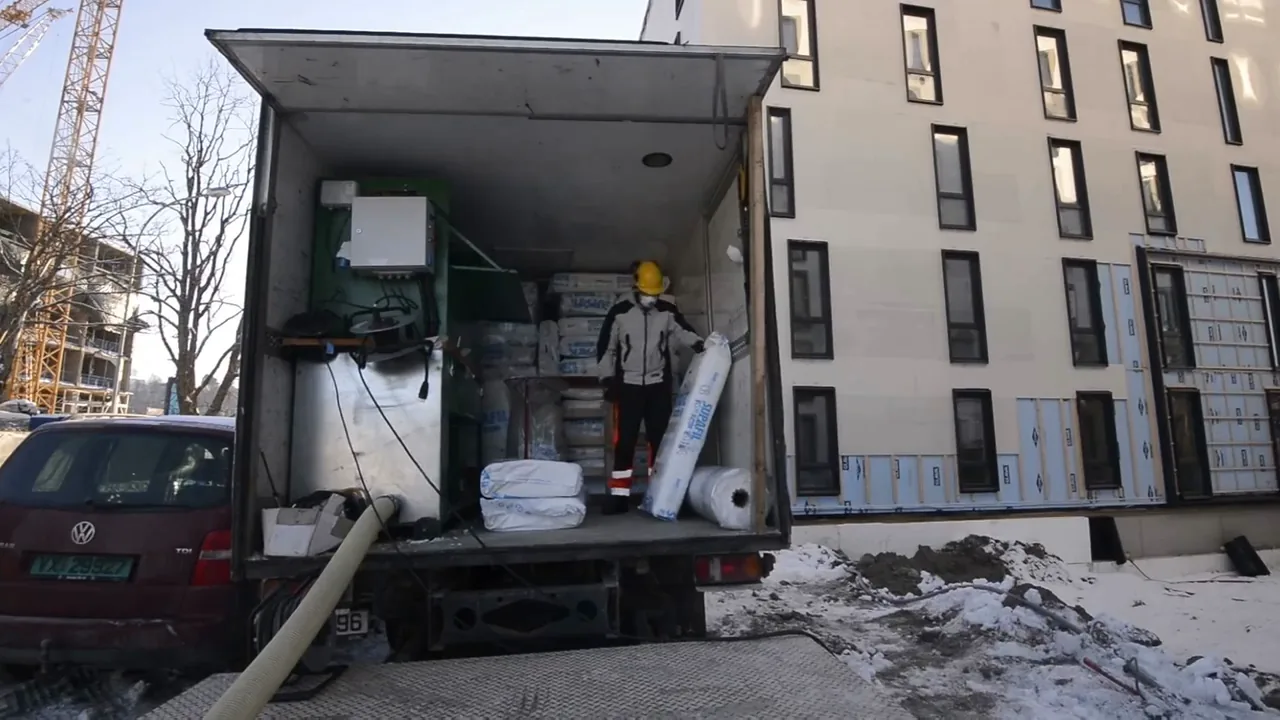
Feeding the material into the machine
The machine remains on the pavement or in the street, occupies very little space and can pump the material to heights of up to eight storeys.
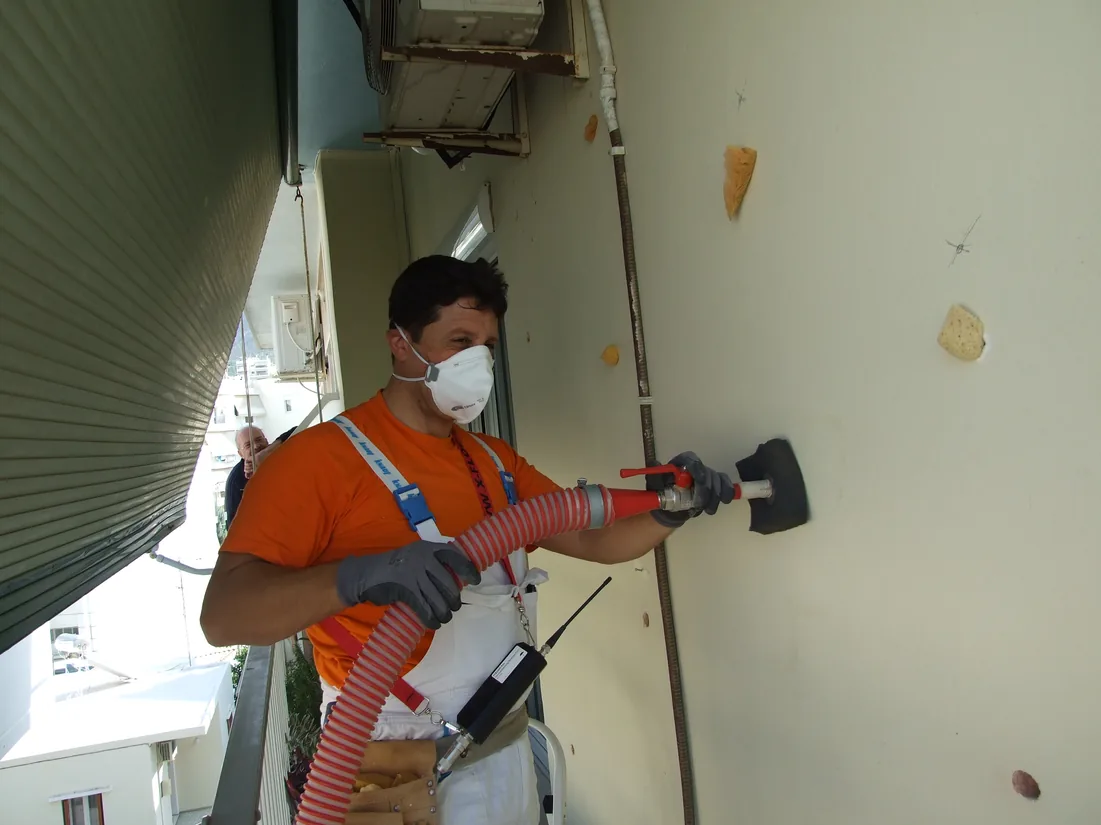
Filling the cavity by blowing
Supafil is fed into the cavity until the required density is reached and a single thermal blanket has formed inside the wall.
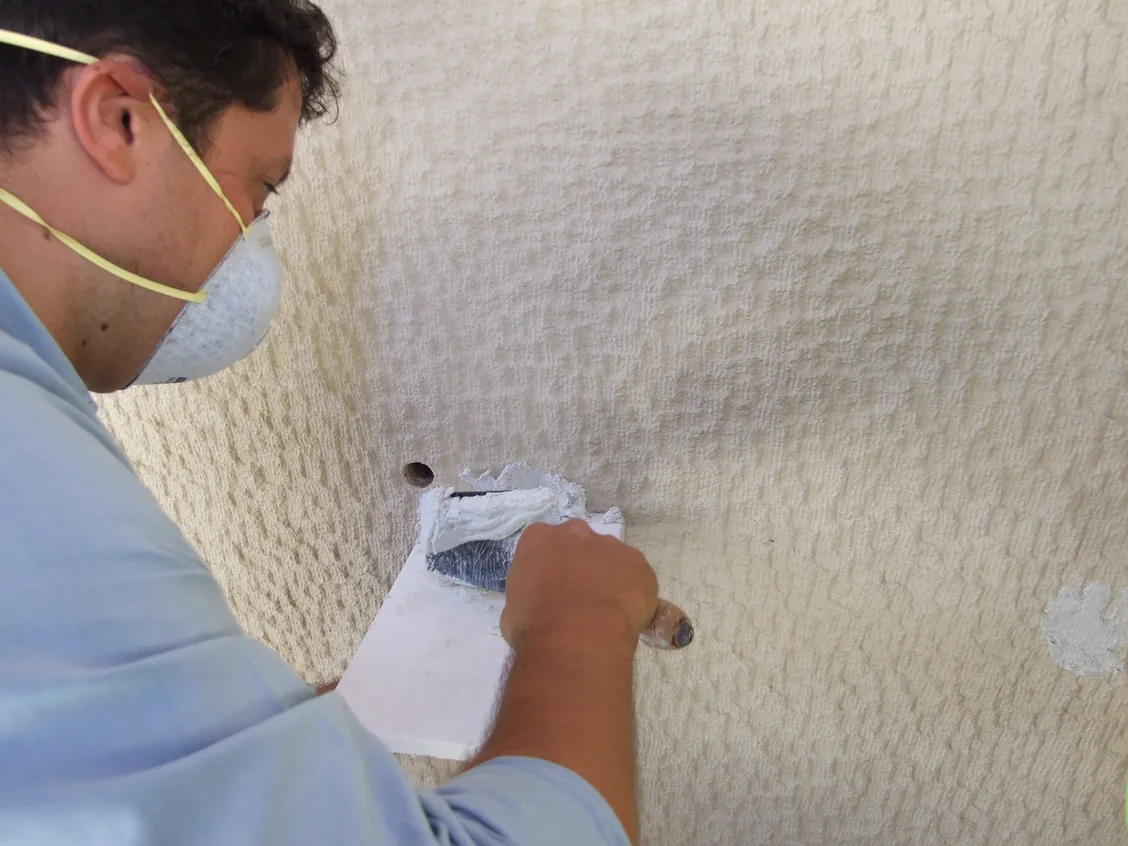
Closing the wall and making good
Once the filling is confirmed, the holes are repaired with repair mortar; the repaired areas can be repainted from the following day.
Beyond the walls
Apart from walls, blown-in insulation can be used in roofs, in plasterboard ceilings, in floors, and in walls where sliding windows have been replaced by casement ones.
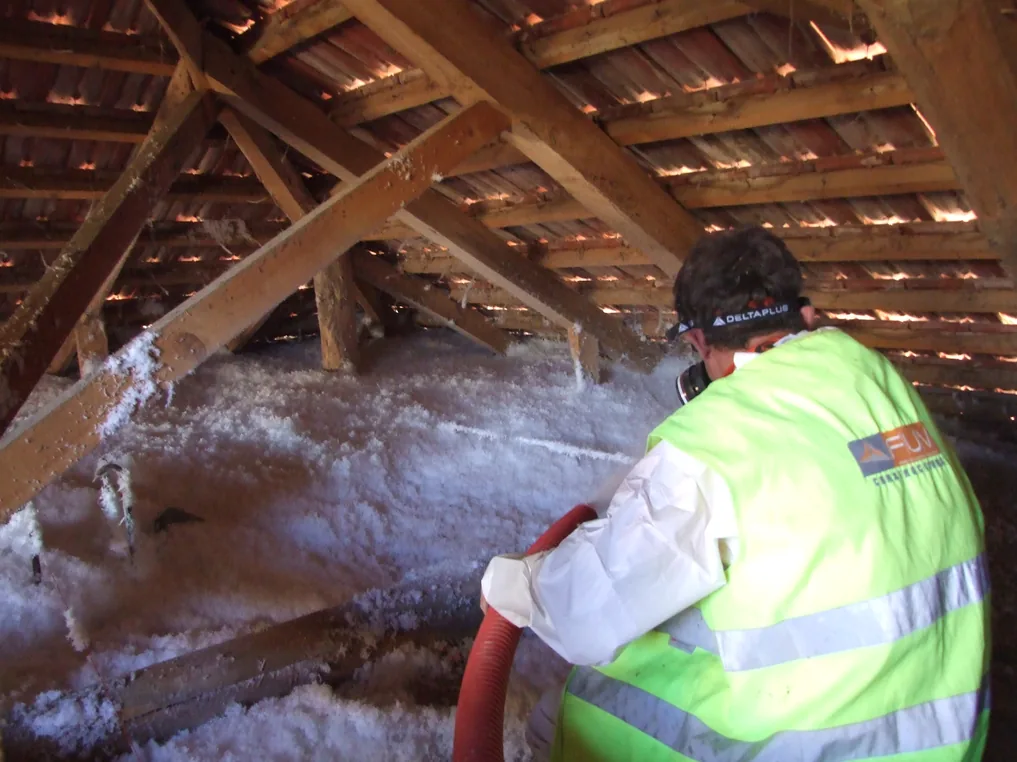
In Roof Spaces
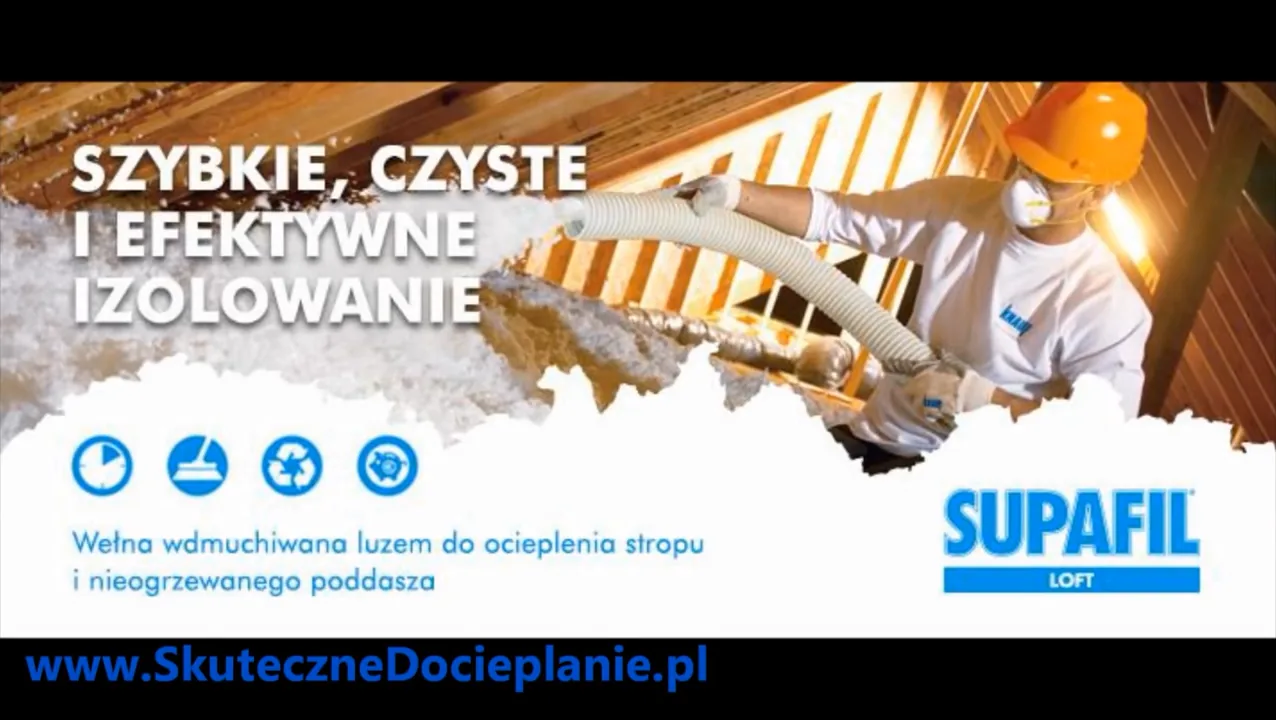
In accessible, unused roof spaces, deep layers of material can be installed, forming a continuous insulating layer even in hard-to-reach areas.
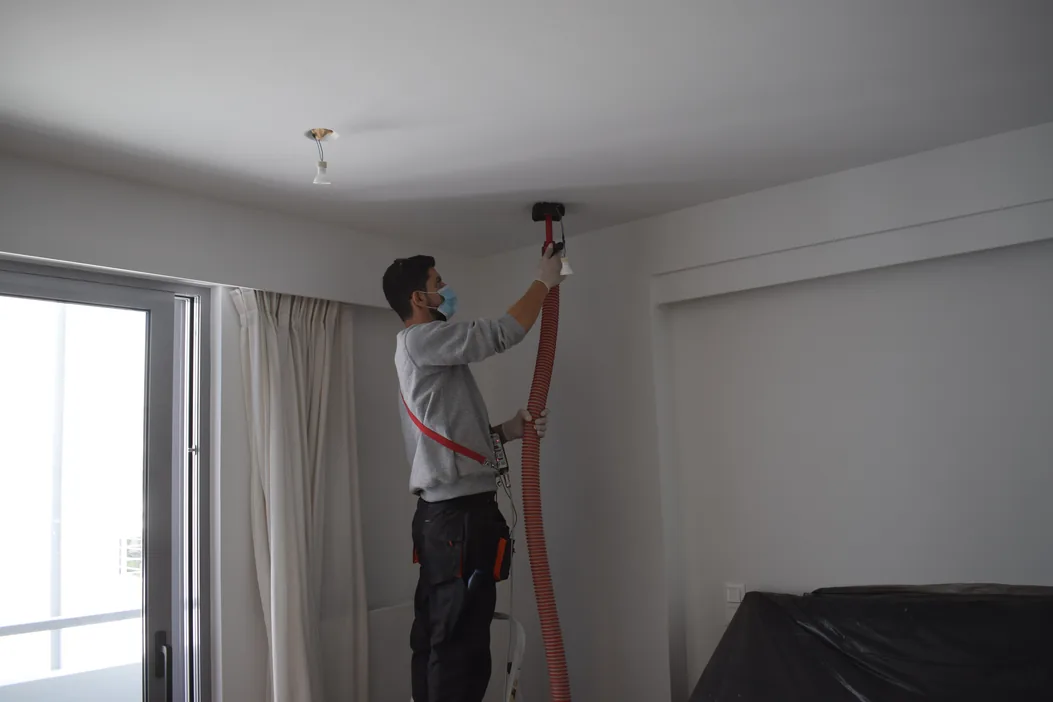
In plasterboard ceilings
Where a plasterboard ceiling was installed without any insulation above it, the material can be installed through downlight openings or other small access points, in the least intrusive way.
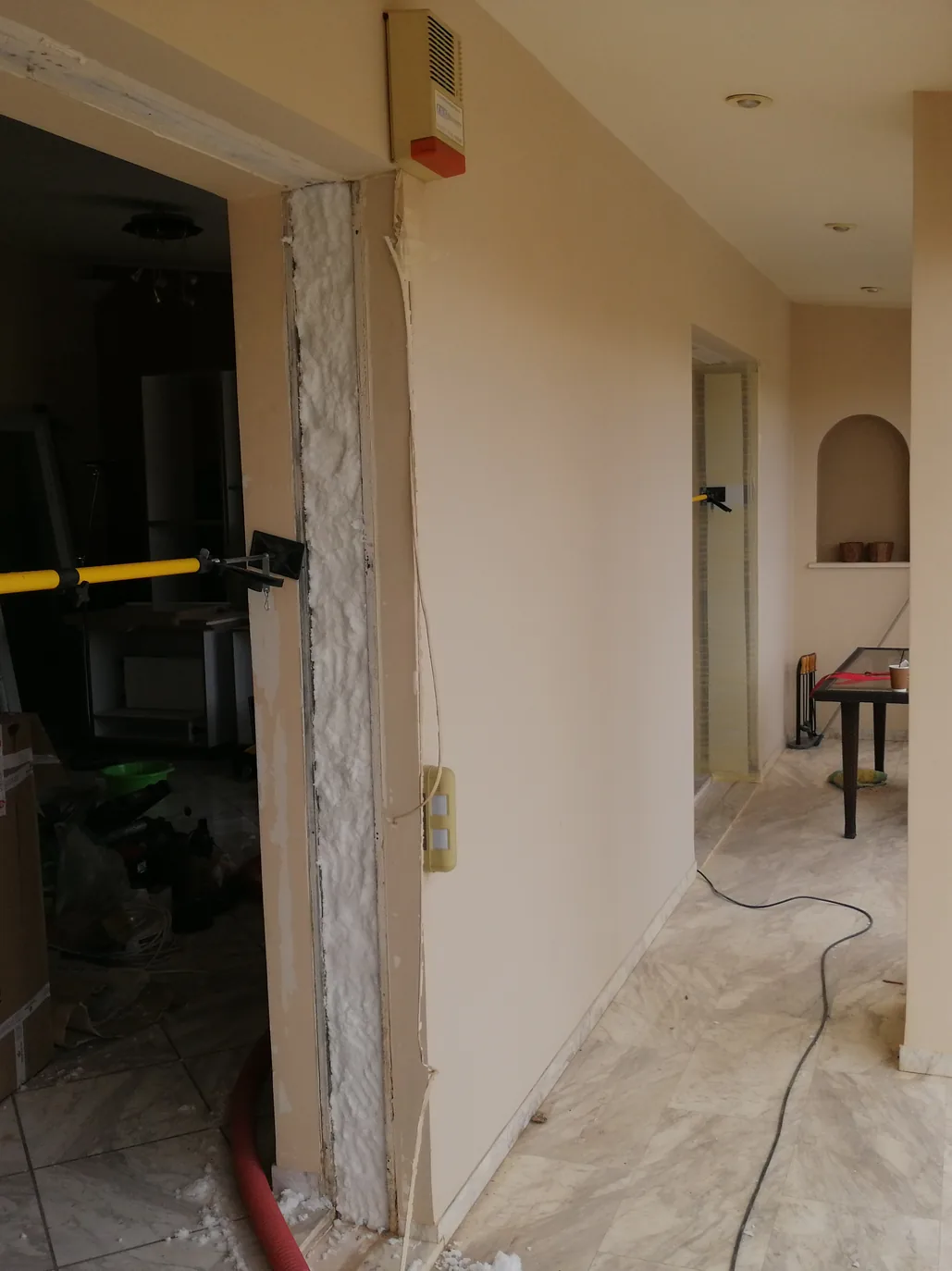
Where sliding windows are removed
When sliding windows are replaced with casement windows, the former sliding pocket—typically 11 to 16 cm wide—can be filled, creating a substantial insulating layer.
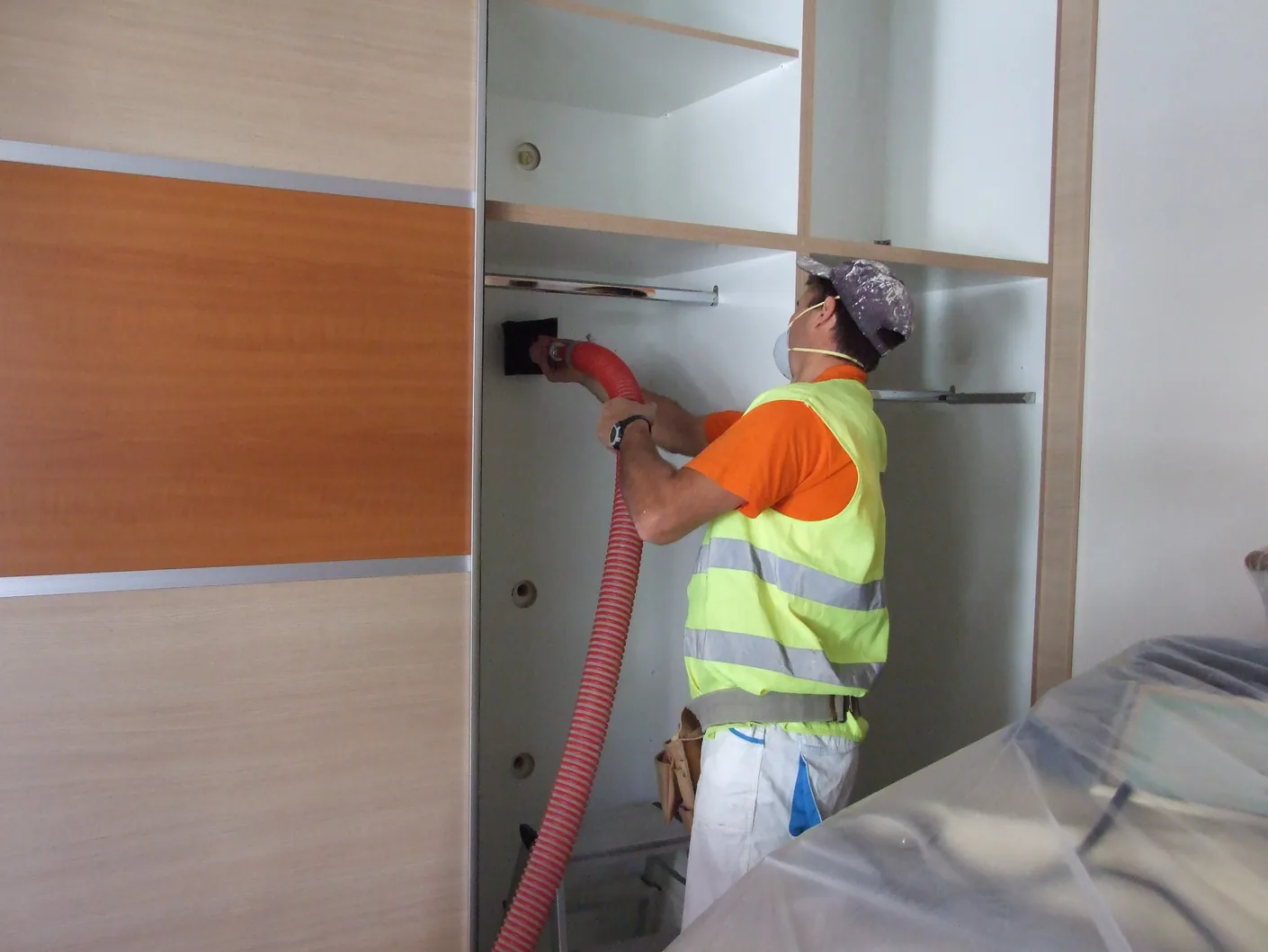
Behind wardrobes
Where there is no access from outside and a wardrobe or a kitchen unit is already fitted, small holes in its back panel are enough to achieve the insulation with the least possible disturbance.
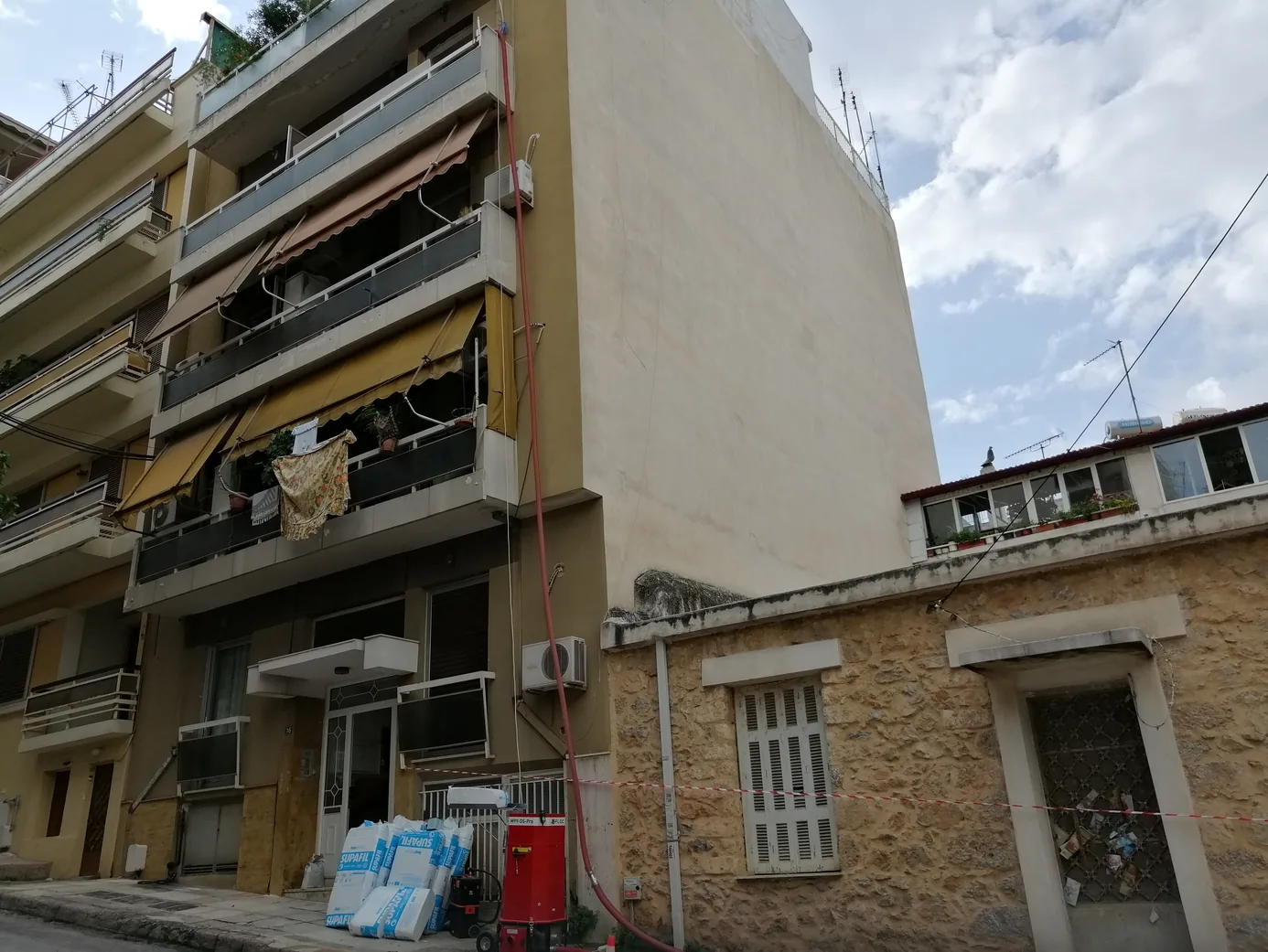
In exposed party walls
Where access from outside is not possible, or the neighbour does not allow it.
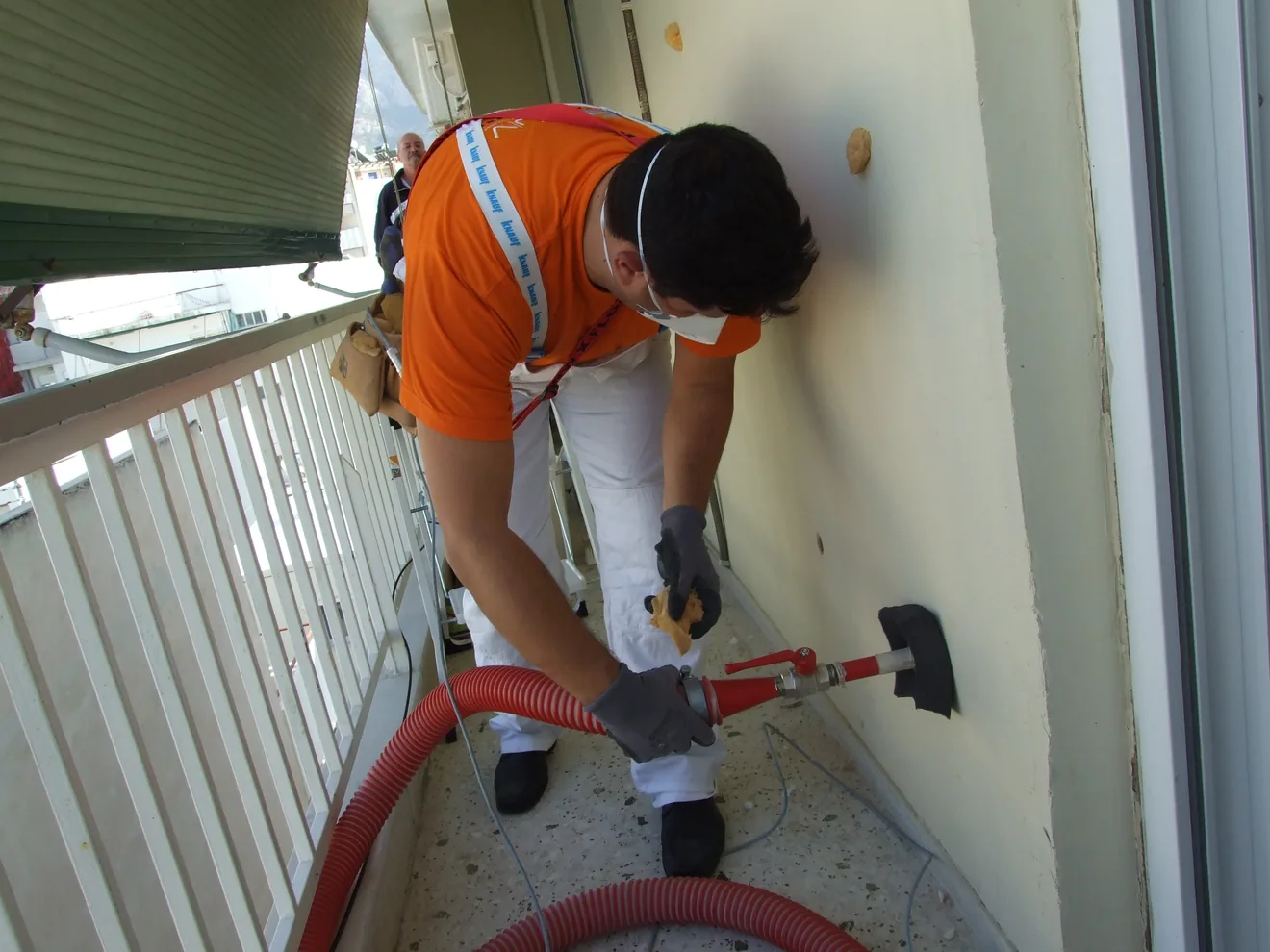
On narrow balconies
Where very narrow balconies leave no room for an external insulation system.
Where Blown-In Insulation Cannot Be Used. It cannot be applied where the masonry has no cavity, where the cavity has already been filled with another material or where recessed sliding windows obstruct access and must remain in place. In practice, in 99% of buildings from 1980 onwards there is no cavity left to fill.
Why a trained crew matters
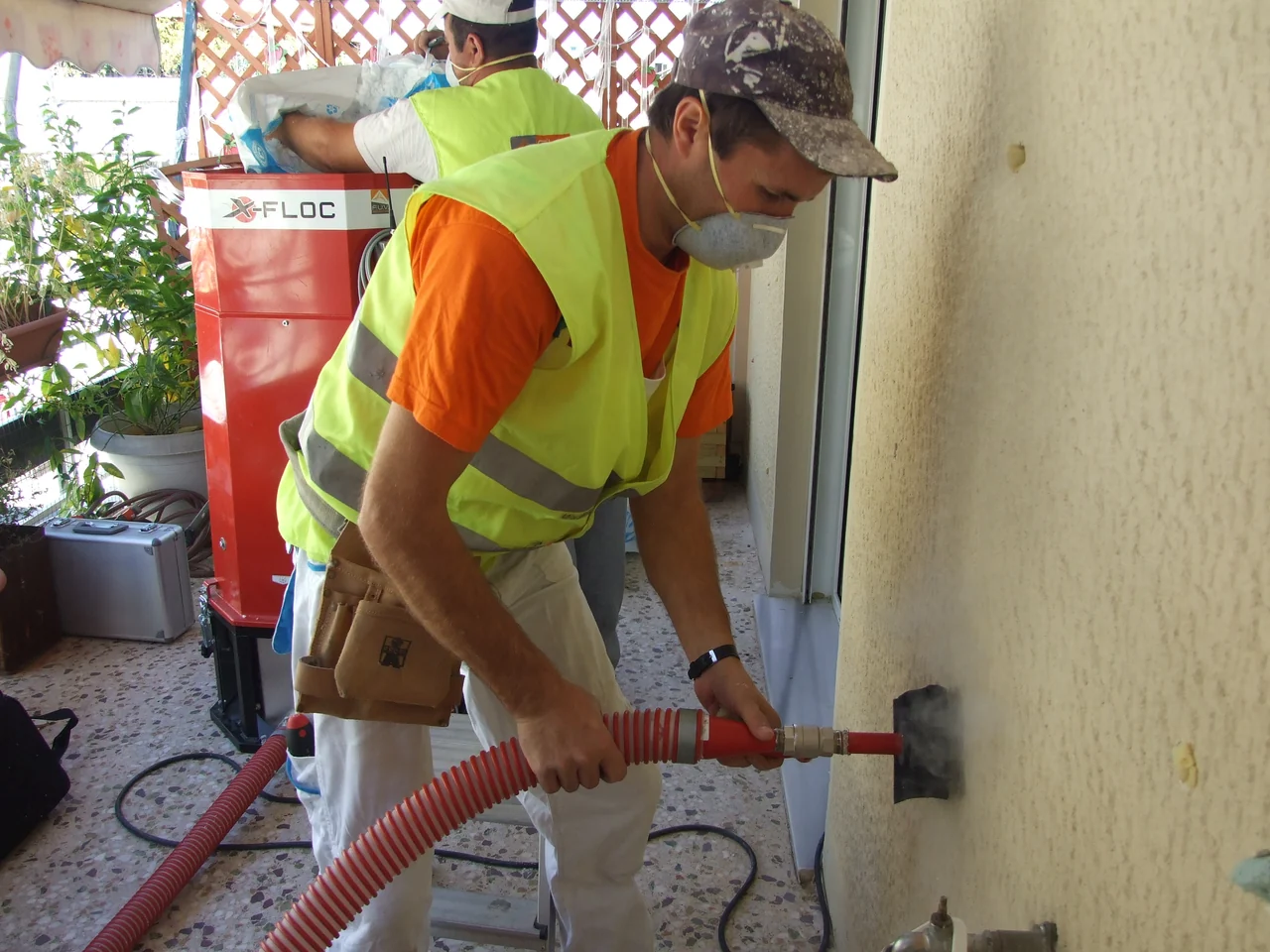
Specialist installation requires trained applicators. The final result depends to a large extent on the training and the skill of the crew. Filling a cavity a few centimetres wide, with no direct access to its interior, demands correct equipment calibration and constant checking.
Blown-in insulation effectively brings the production process to the building: through access holes only 2.5 centimetres in diameter, tens of kilograms of natural insulation are installed inside the wall without chemical additives.
RESULTS
What changes, in numbers
The thermal performance of a building element is expressed by its U-value, or thermal transmittance. The lower the value, the better the thermal performance.
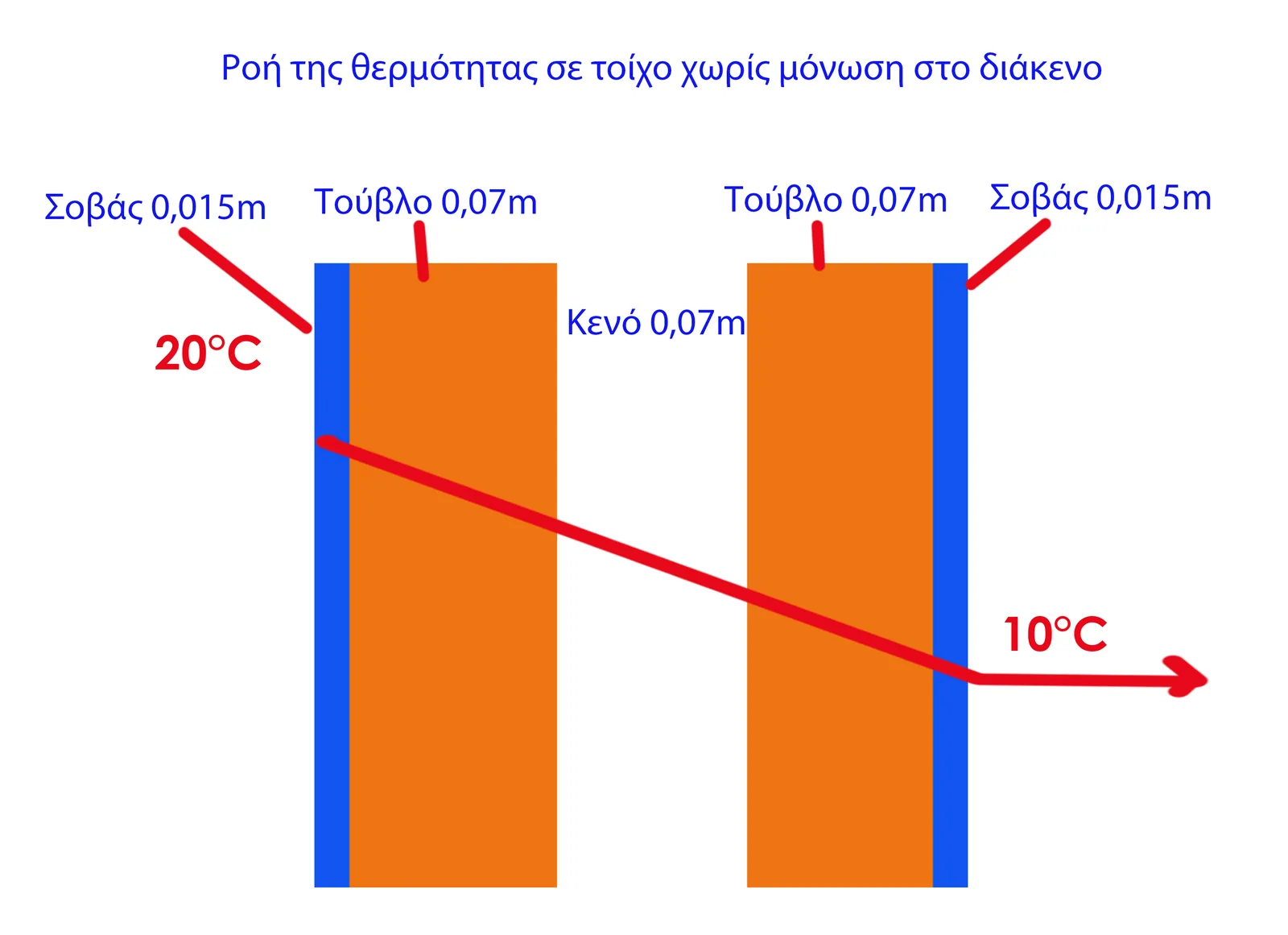
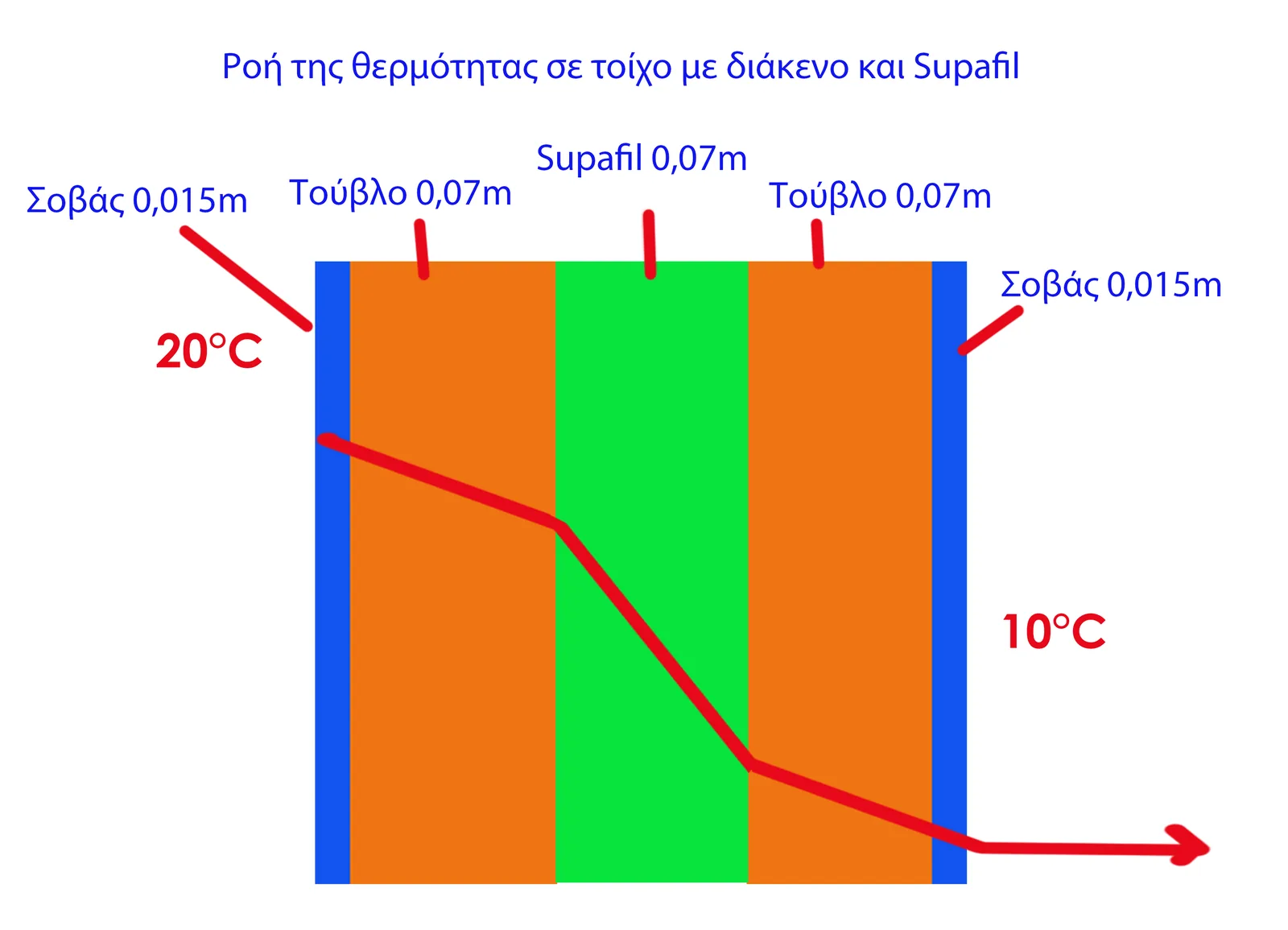
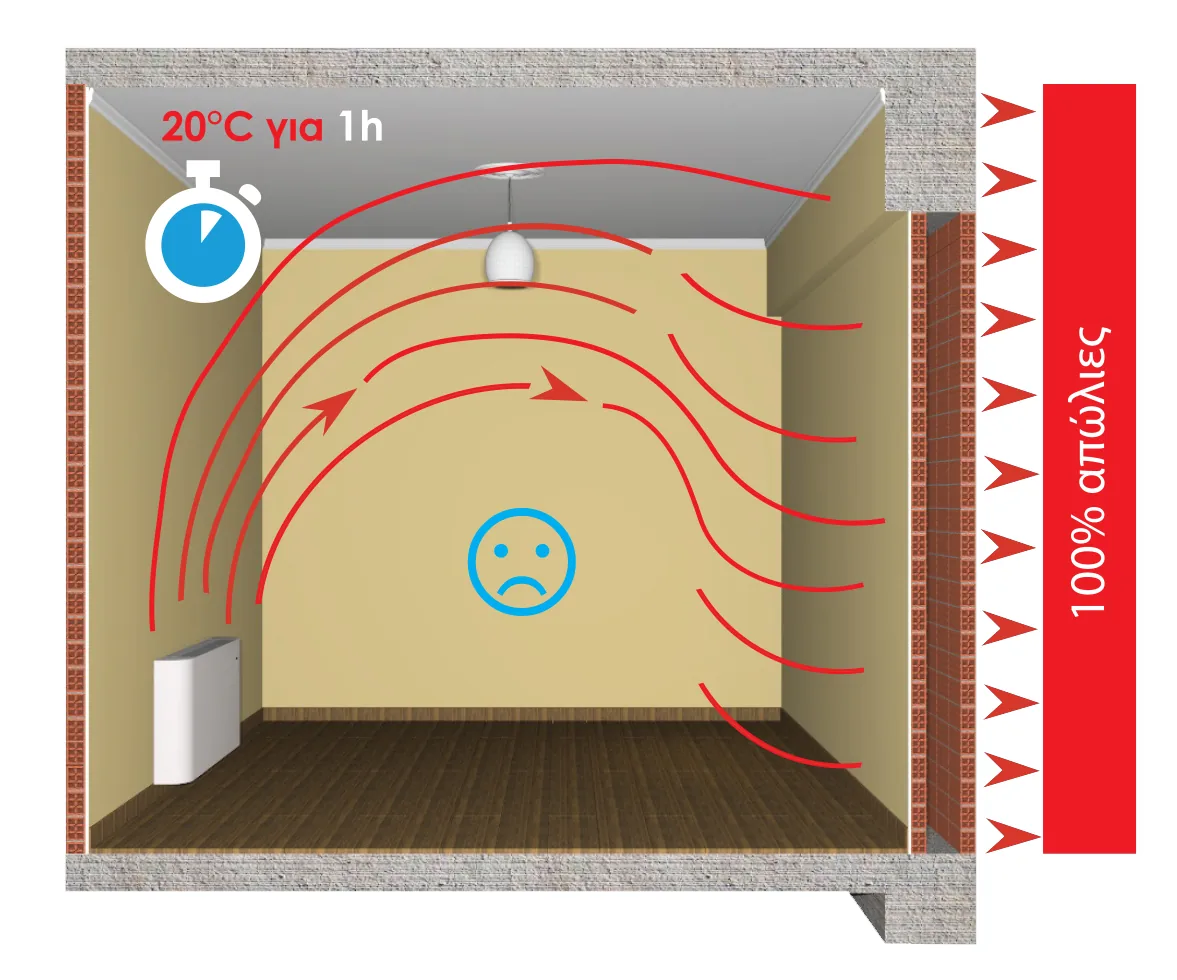
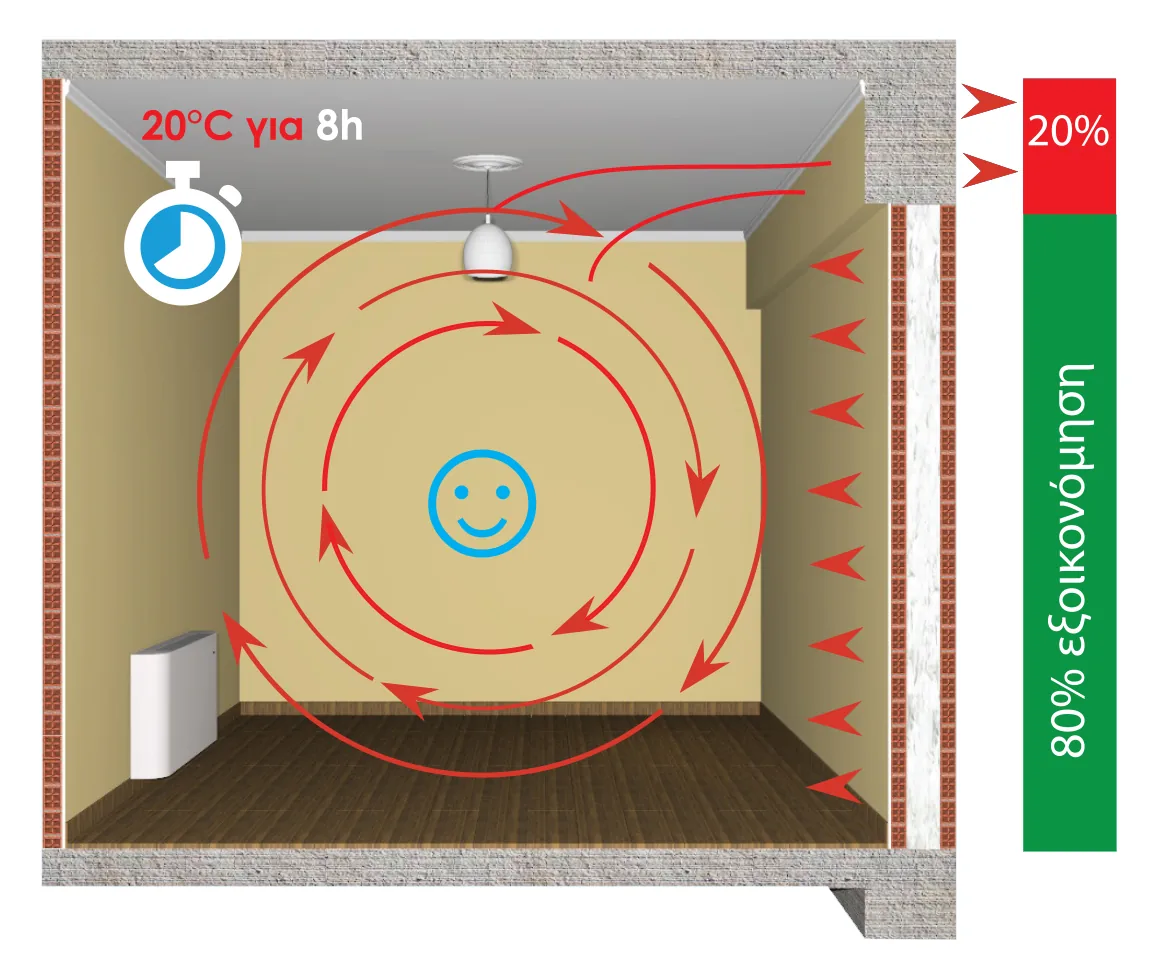
In other words, with one clean job and within a single morning, heat losses are reduced by roughly 82%.
A Practical Compromise with Substantial Benefits
Structural elements, which account for roughly 20% of the surface, remain uninsulated. Where other solutions are impractical, insulating the remaining 80% of the envelope still delivers a substantial improvement.
Clients report a clearly noticeable reduction in winter heat loss. Greece’s relatively mild climate and limited number of heating degree days reduce the effect of the remaining uninsulated areas and help shorten the payback period. Blown-in insulation can cost up to four times less than external or internal insulation systems.
A previously unused cavity becomes part of the building’s thermal envelope. External or internal insulation can still be added later, further improving its performance.
The risk of surface condensation at thermal bridges can also be reduced through mechanical ventilation with heat recovery. Energy renovation always depends on a combination of technical measures.
Comparison of wall insulation techniques
| Criterion | External insulation | Internal insulation | Blown-in insulation |
|---|---|---|---|
| Cost of materials and labour | Required | Required | Required |
| Social security contributions (IKA) | Required | Case by case | Included in the labour cost |
| Engineer’s fee | Required | Case by case | Not required |
| Building permit | Required | Case by case | Not required |
| Repainting of walls | Not required | Required | Required |
| Scaffolding cost | Case by case | Not required | Not required |
| Alterations to windows and doors | Case by case | Case by case | Not required |
| New skirting boards | Case by case | Required | Not required |
| Relocation of electrical installations | Case by case | Required | Not required |
| Relocation of plumbing | Case by case | Required | Not required |
| Relocation of air-conditioning units | Case by case | Required | Not required |
| Duration of works | 5 to 10 days | 5 to 10 days | 1 day |
| Loss of space | Additional external build-up | Loss of internal floor area | None |
To date Supafil has been applied in hundreds of properties in Greece, offering a significant improvement in thermal comfort together with lower energy needs for heating and cooling. It is now established as the optimal energy-upgrade solution for older buildings.
PROPERTIES
Thermal comfort, sound insulation and a clean composition
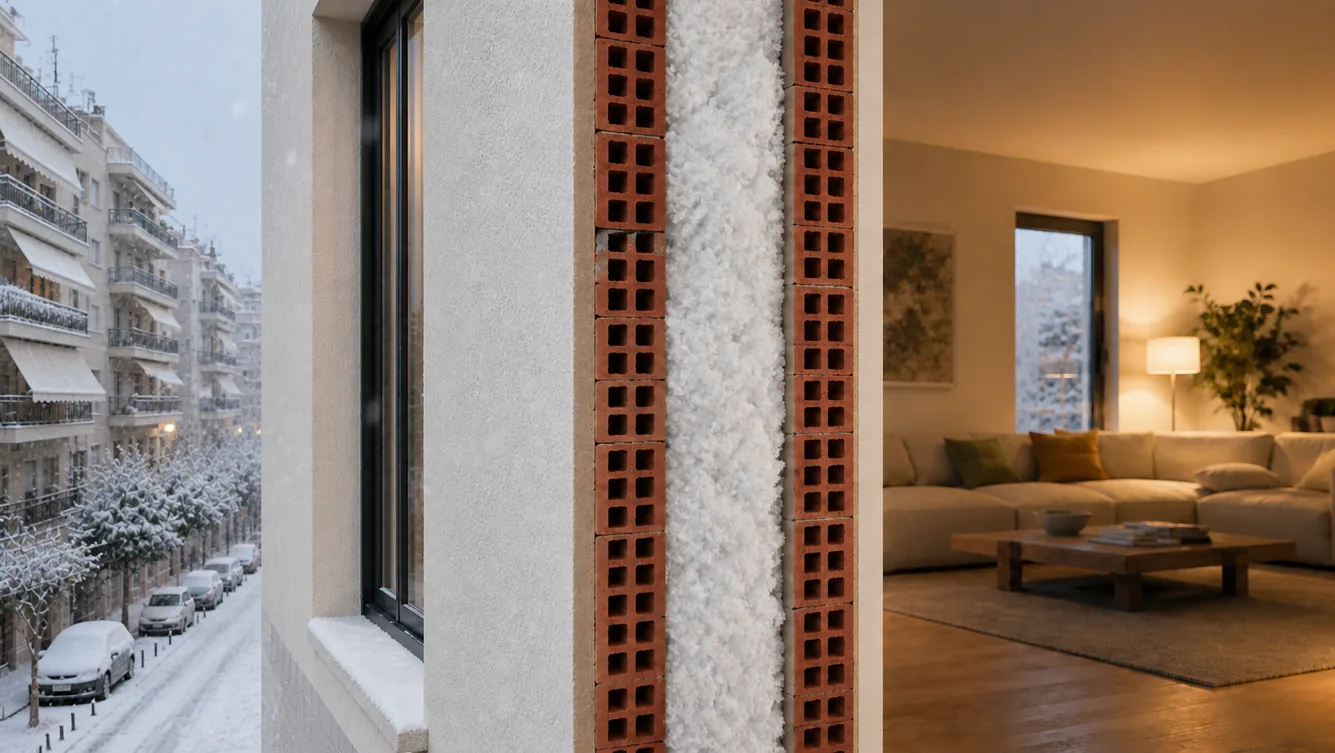
Winter insulation
It limits heat losses and helps keep the indoor temperature more stable.
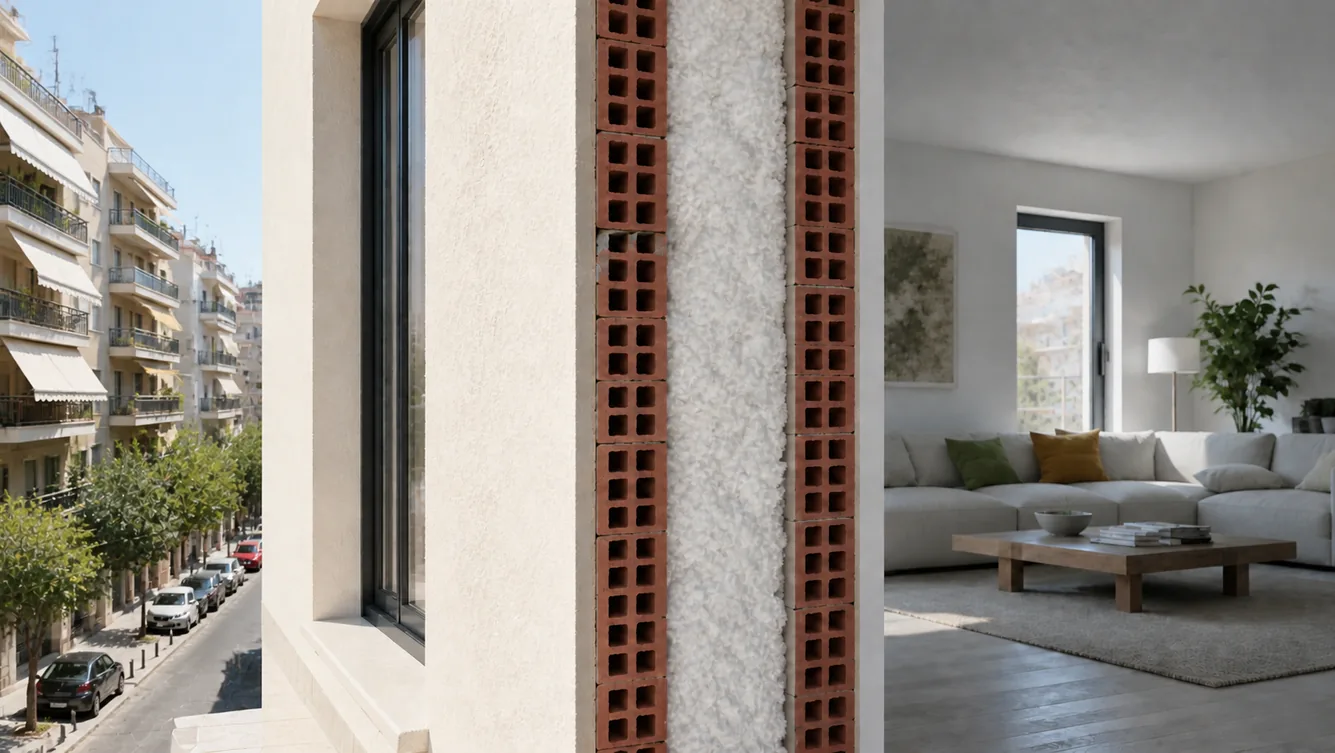
Summer insulation
It delays the transfer of heat through the building element, offering thermal lag — so the walls do not overheat during the summer.
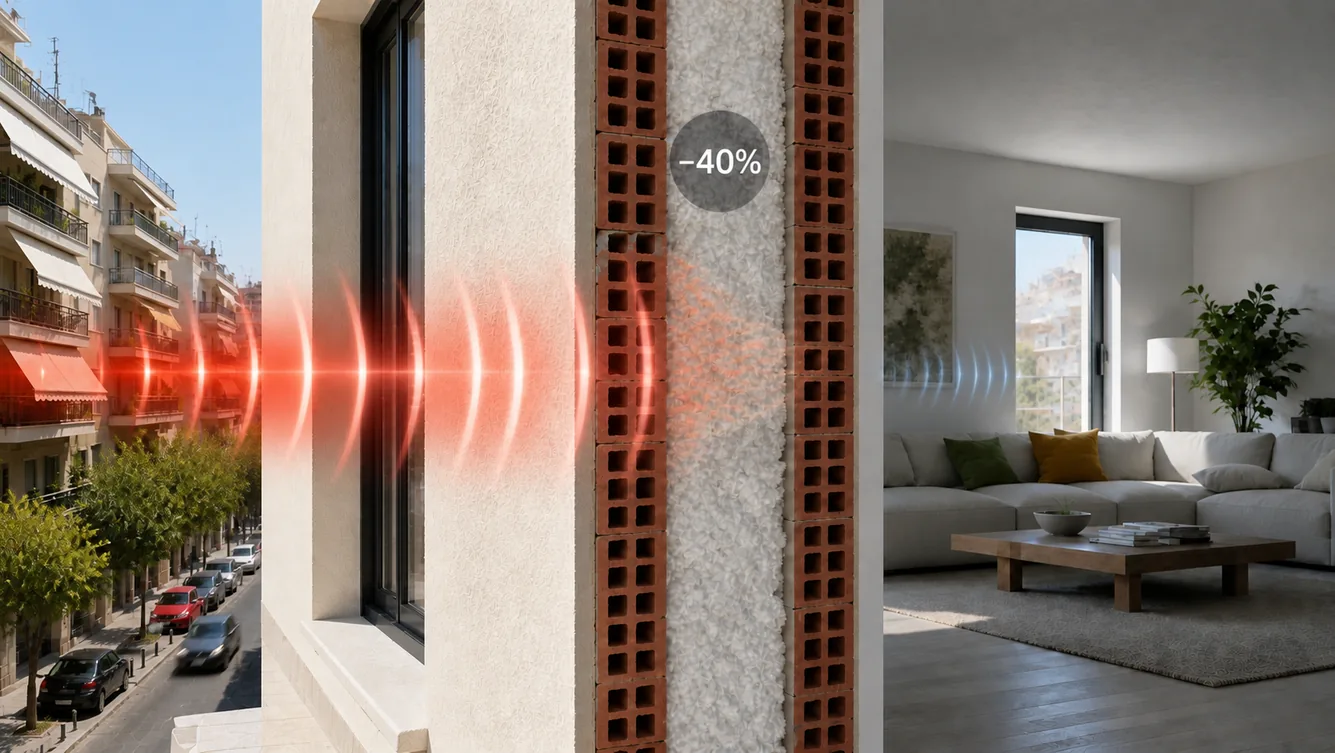
Sound insulation
The fibrous structure of the material reduces airborne sound transmission by roughly 40%.
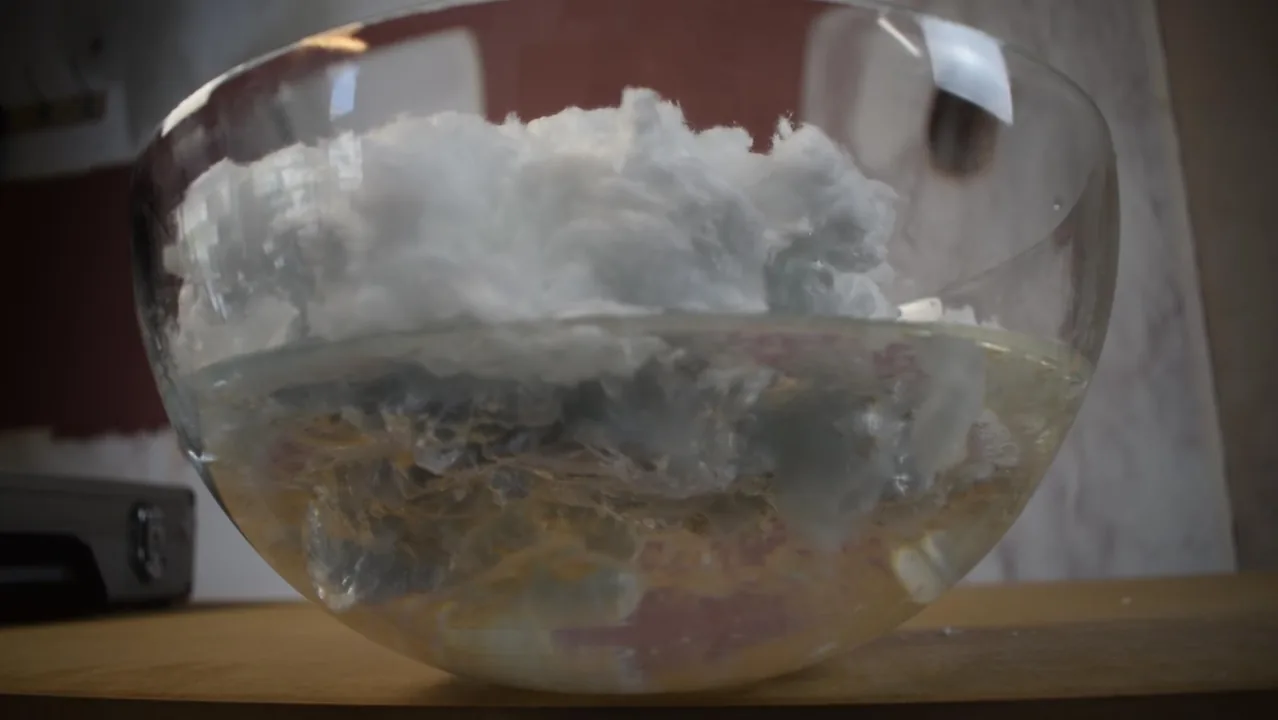
Breathable and water-repellent
It is water-repellent and non-hygroscopic, so it does not hold moisture within the blanket itself: its resistance to water-vapour diffusion is μ=1.
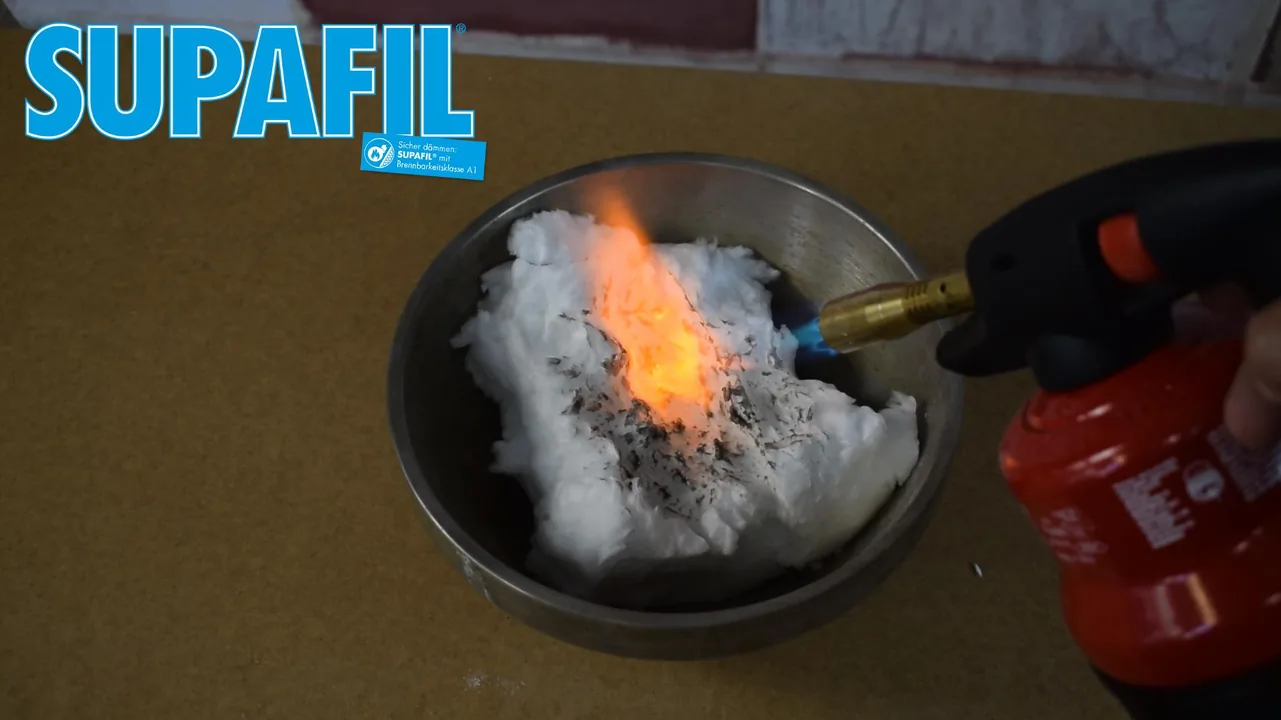
Fire safety
It is non-combustible and classified A1 for reaction to fire.
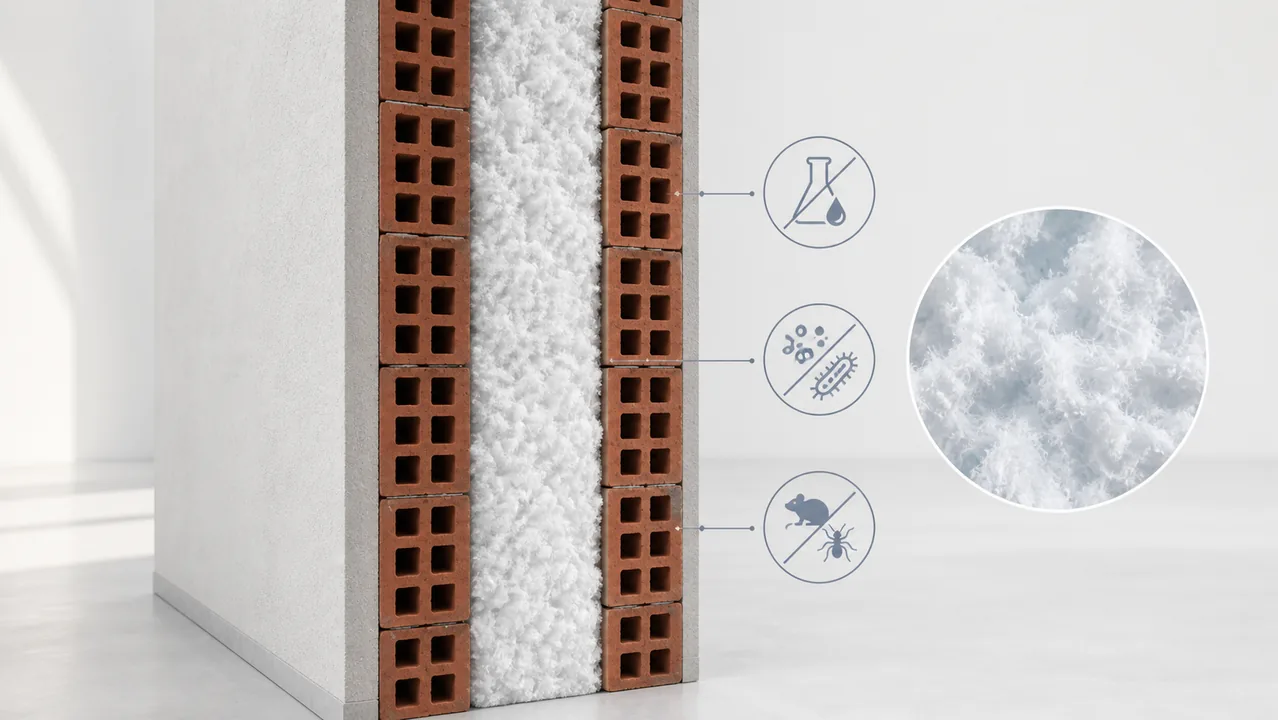
Clean composition
It is applied without a chemical binder, does not provide a nutrient source for fungi or bacteria and does not attract rodents or insects.
CERTIFICATIONS
Certified performance and environmental record
Supafil is CE marked, has an A1 reaction-to-fire classification and holds certifications covering indoor-air emissions and environmental performance. It has received Eurofins Gold and Blue Angel certification and is certified as Red List Free.



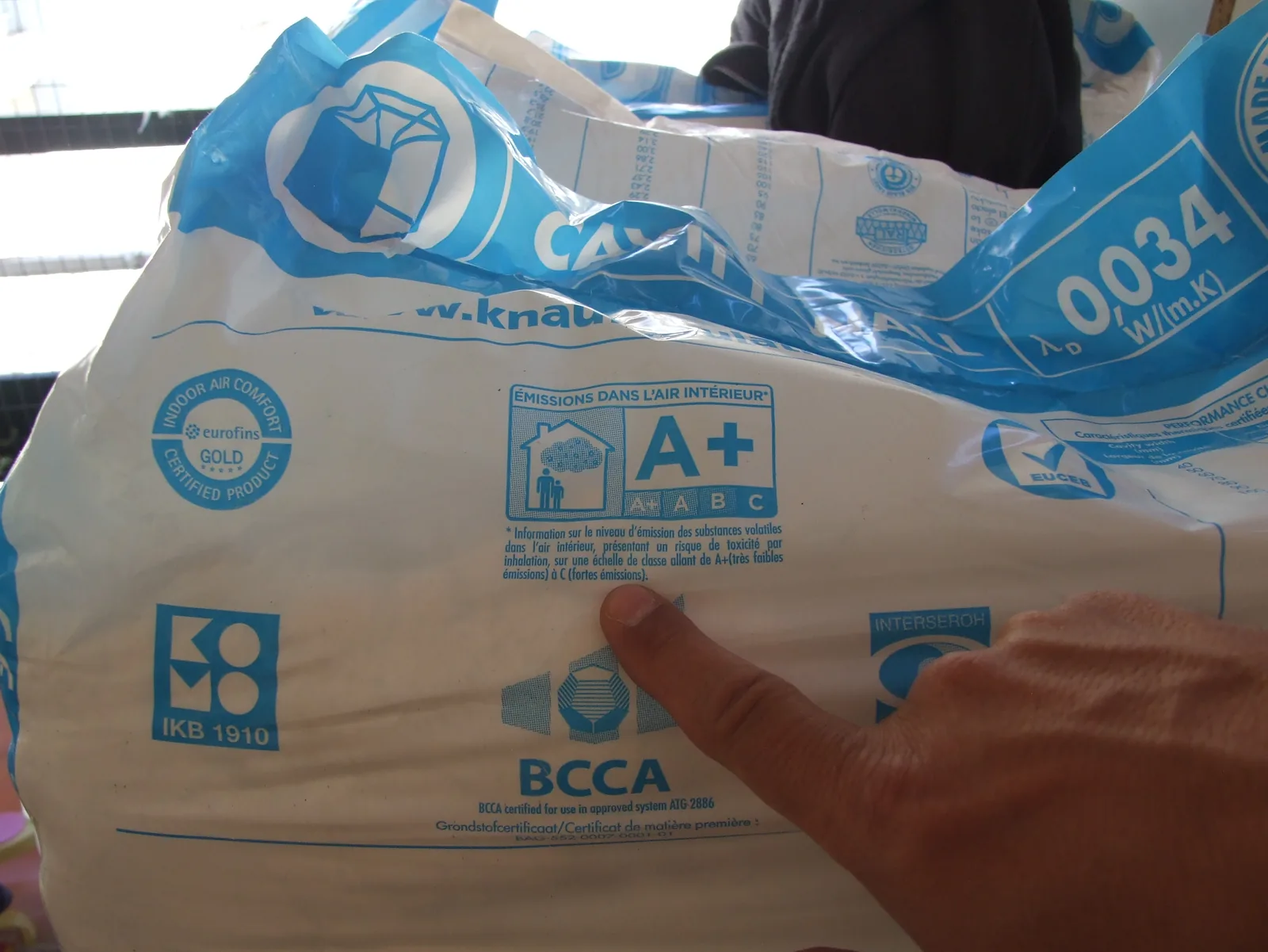
Supafil is manufactured from silica sand at high temperatures and supplied in loose-fill form. It belongs to the mineral-wool insulation family. Unlike ready-made slabs, it contains no chemical binder and is installed pneumatically.
Technical data. Thermal conductivity λ=0.034 W/mK. CE declaration of conformity. Avis Technique 20/10-198 (CSTB), Agrément Certificate 88/2033 (BBA) and Declaration IKB1910/10 (KOMO). The material is water-repellent, non-hygroscopic, non-combustible class A1, and it does not expand inside the wall.
INTERNATIONAL APPLICATION
Knauf Insulation’s Supafil around the world
The buildings that need an energy upgrade are far more numerous than those that will be built over the next thirty years. In the centre of Athens alone, 80% of the building stock was constructed between 1950 and 1980 — some 560,000 apartments, without counting detached houses, public buildings, schools and hospitals.
The same holds for the rest of Europe, where energy upgrading and better living conditions start from the existing building stock. Supafil is the ideal solution there too, because this way of building was widespread until 1980.
AESTHETICS — LAST BUT NOT LEAST
Preserving the Façades of Modernist Apartment Buildings
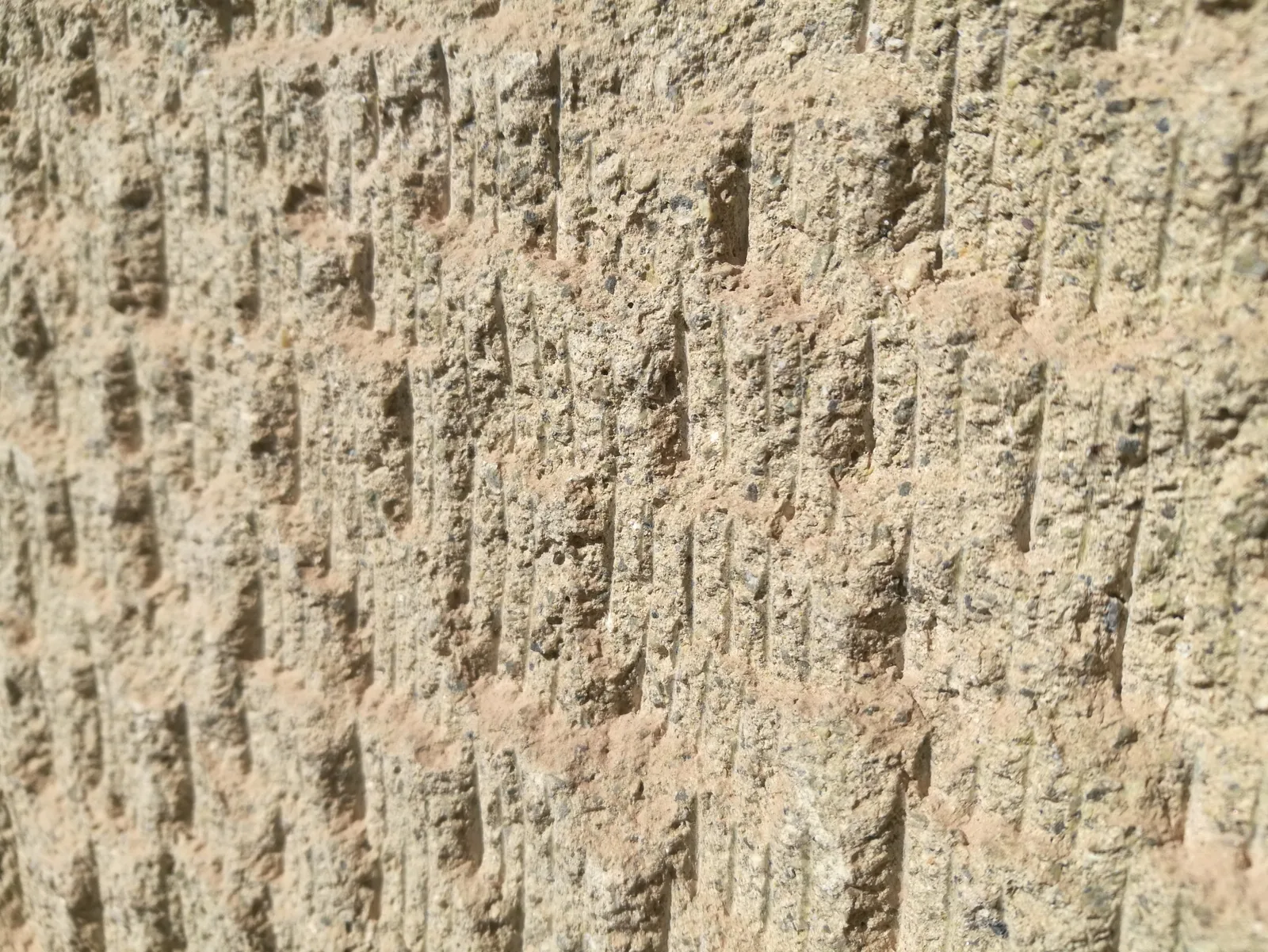
One very important benefit is that the façades of the modernist apartment block are preserved. The hand-chiselled artificiel finish is a historic feature of these façades and is no longer produced today. It is a hand-crafted surface—a form of workmanship that cannot easily be replicated.
It is said that the same craftsman would take on the whole façade of a building, to ensure a consistent finish by the same hand. Covering these irreplaceable façades is something we are likely to regret in the future.
The energy upgrade of every existing building is an unavoidable choice, and for the next twenty years blown-in insulation with Supafil is the optimal one.
THE FIRST STEP
Is there a cavity available in your wall?
A technical inspection shows whether Supafil can be applied and which access points are suitable.